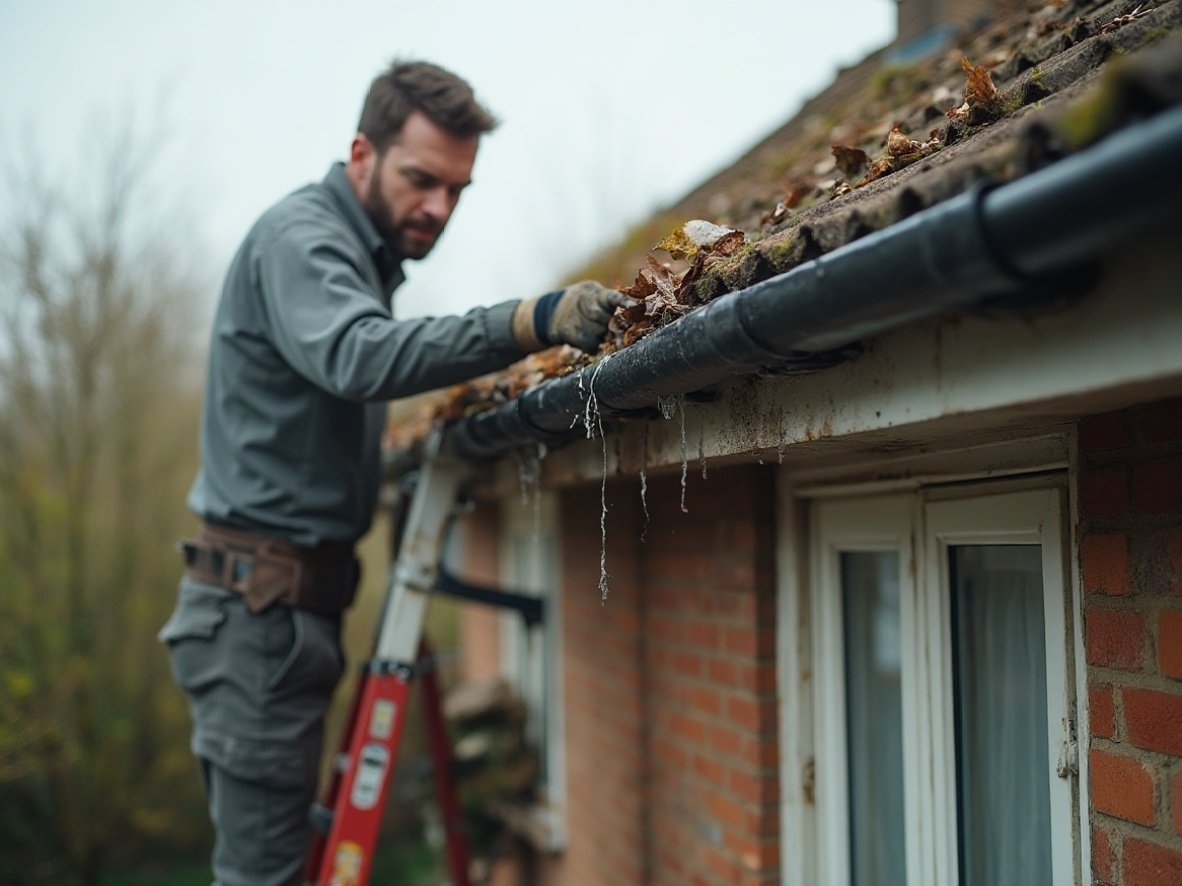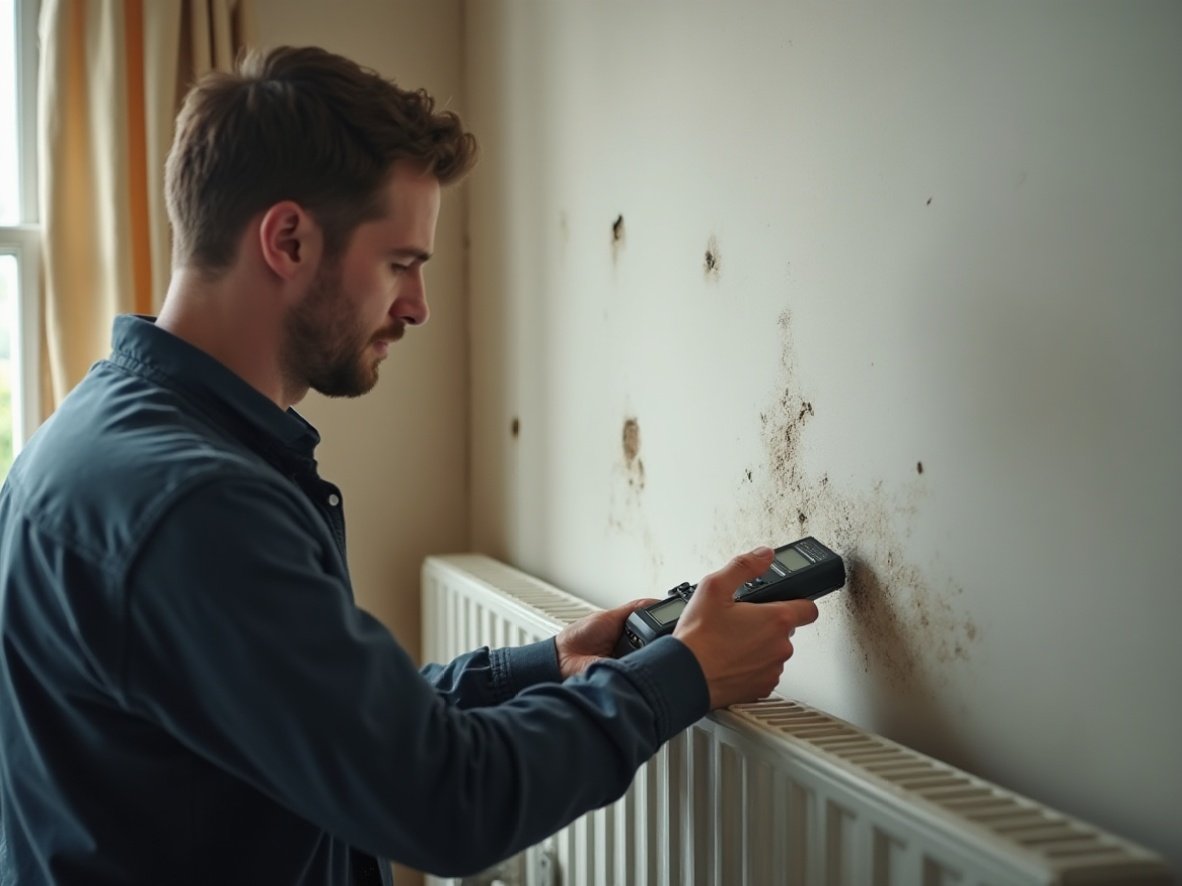
Proper Cause Detection
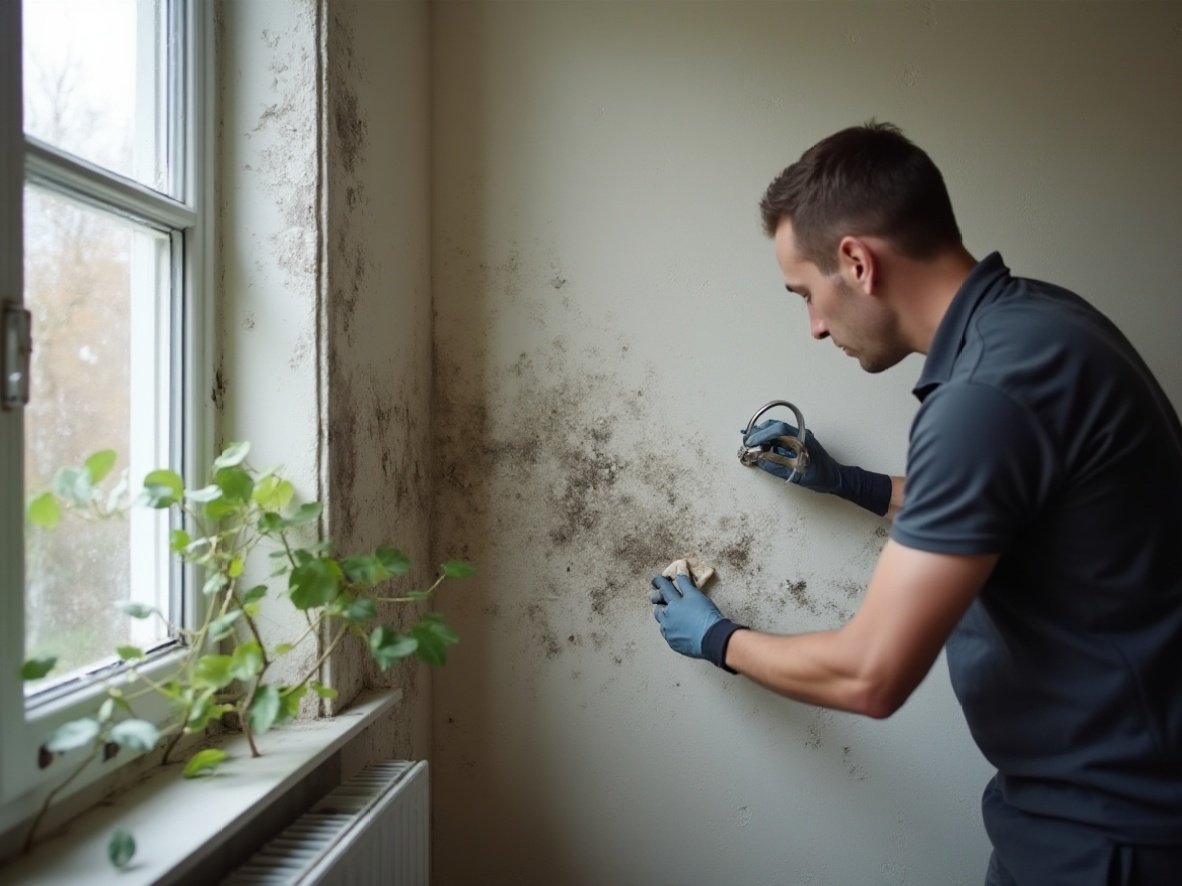
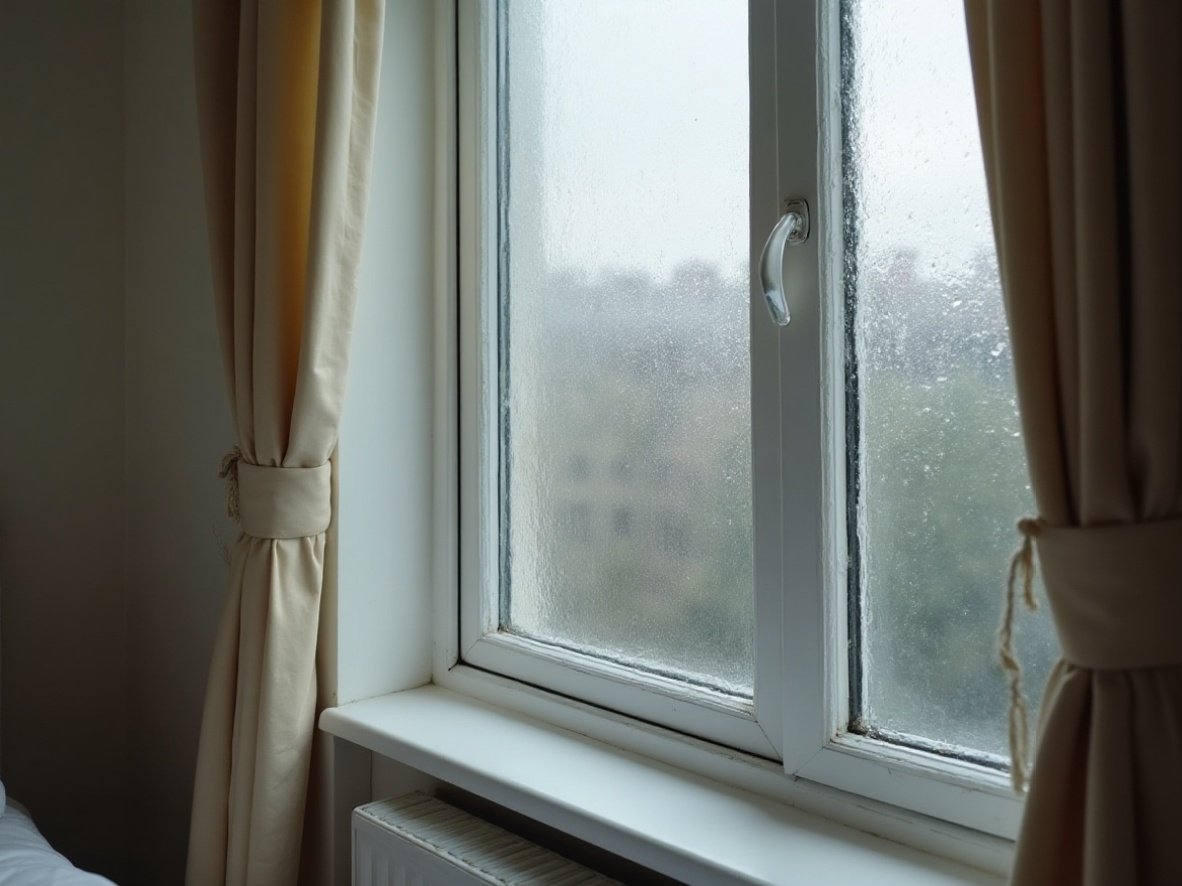
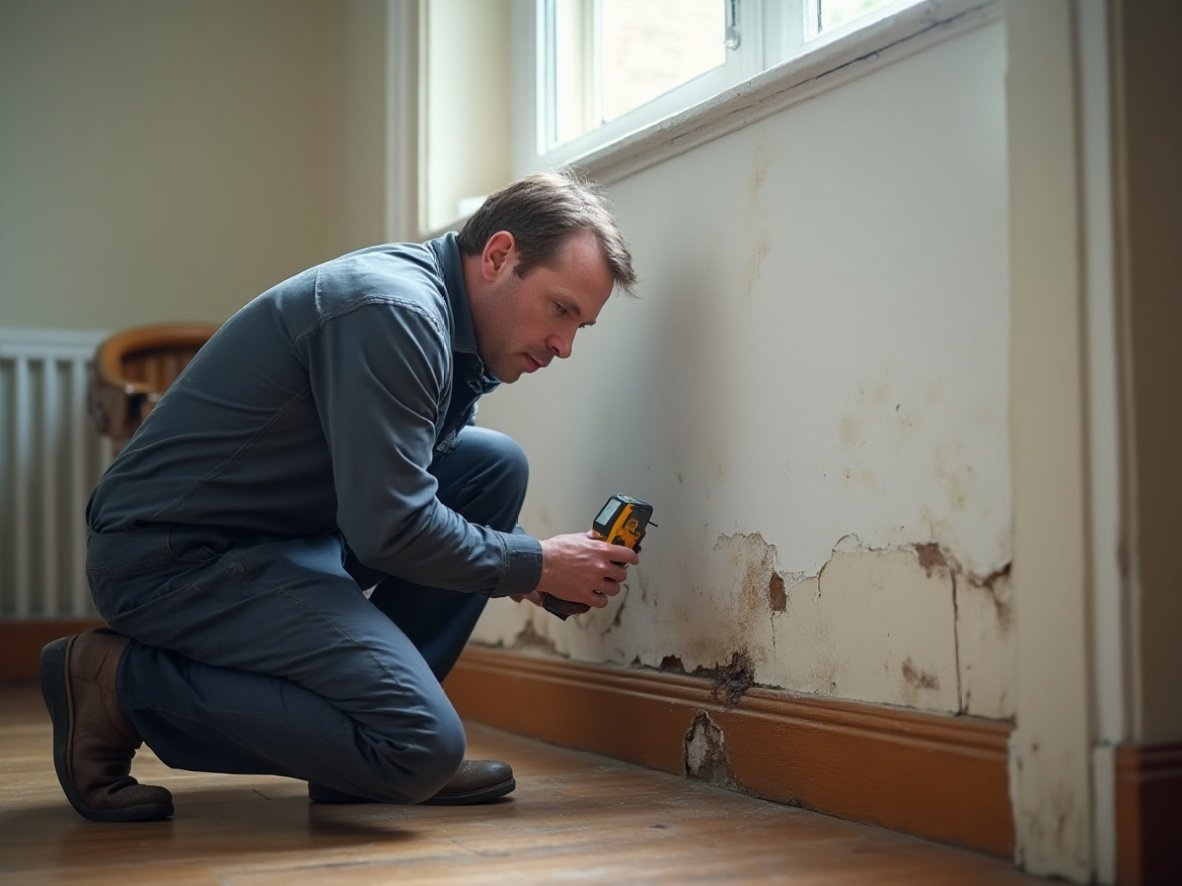
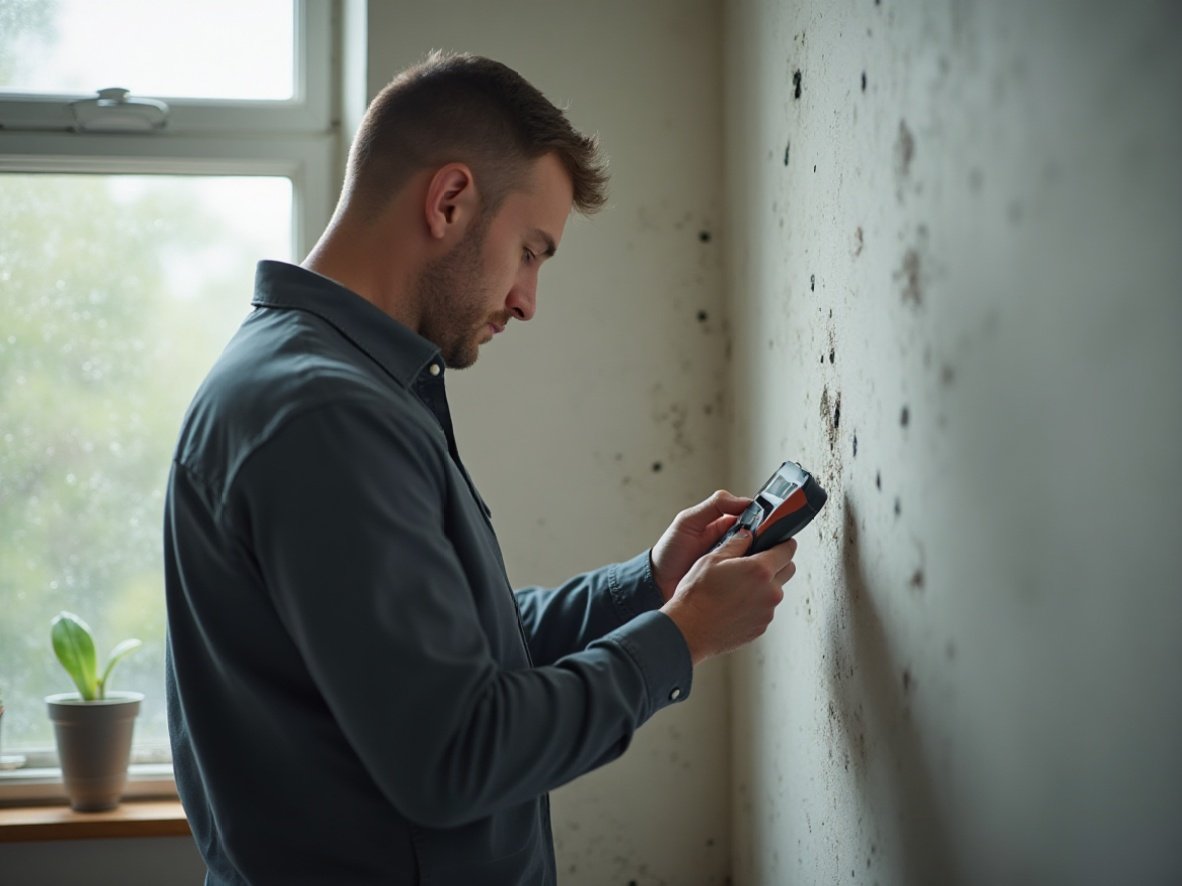
We don’t just remove visible mould. We identify whether it’s condensation, damp, or a hidden leak before treating it.
Leaks in Blackheath properties are often not immediately visible and can go unnoticed until damp or mould starts to appear. Water can travel through walls, ceilings, or floors, making the source harder to pinpoint without proper checks. A focused inspection helps identify where hidden moisture is coming from before it causes further damage.



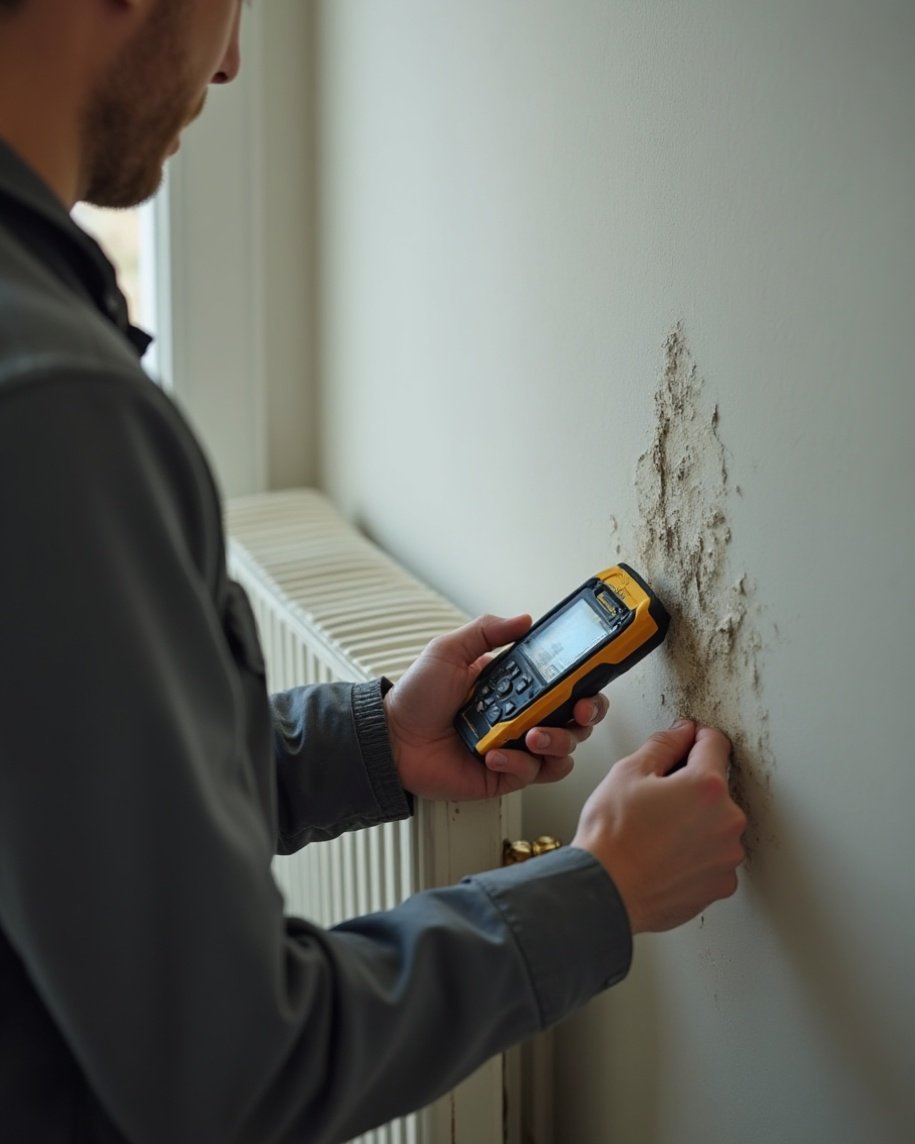
Hidden leaks in Blackheath properties often go unnoticed because the water doesn’t appear where the problem actually starts. A small pipe issue behind a wall or under flooring can slowly release moisture, which then travels along surfaces until it shows up somewhere else. By the time you see a damp patch or mould, the source may be several metres away.
We recently carried out a check in Blackheath where staining appeared on a living room ceiling. The assumption was a roof issue, but the real cause was a slow leak from a bathroom pipe above. Water had been spreading across the ceiling void before eventually soaking through in one corner. Without tracing the moisture movement, the wrong area would have been repaired.
One of the main challenges with hidden leaks in Blackheath is that they can mimic other problems. Damp patches may look like condensation or penetrating damp, especially if they appear gradually. The difference is in how the moisture behaves — leaks often create more localised saturation, sometimes with irregular edges or recurring wet spots.
We also see cases where leaks only become visible under certain conditions. For example, a pipe might only drip when a tap is used or when pressure changes. This makes the issue inconsistent and harder to detect without proper checks.
Temperature and materials also influence how water spreads. Some surfaces absorb and hold trapped moisture, while others allow it to move more freely. This affects where the damage becomes visible and how quickly it develops.
A proper leak detection in Blackheath involves narrowing down the source rather than guessing. We check areas where water is likely to originate, such as bathrooms, kitchens, and pipe routes, while also tracking where moisture has travelled.
Access can be a limitation. In many homes, especially occupied ones, certain areas like behind units or under floors aren’t immediately visible. In those cases, we use available indicators to build a clear picture without unnecessary disruption.
It’s also important to act early. Even a small leak can lead to ongoing moisture build-up if left unresolved, increasing the risk of structural damage or mould over time.
At Mould Inspection London, the aim is to locate the actual source of the problem in Blackheath and explain it clearly, so the right repair can be carried out without repeated trial and error.

Mould kept coming back behind our wardrobe no matter how many times we cleaned it. The technician explained it was condensation getting trapped against the wall. After the treatment and moving the furniture slightly, it hasn’t returned.
Booked them after trying to deal with it myself for months. What I liked is they didn’t just clean it and leave — they explained why it was happening and what to change. Feels properly resolved now.
We had mould on the ceiling near the bathroom and thought it was just poor cleaning. Turned out the extractor fan wasn’t working properly. They sorted the mould and explained what needed fixing.
I was expecting a quick clean, but they pointed out a small leak I hadn’t noticed. That explained why the mould kept coming back. Glad we dealt with it properly instead of just covering it up again.
The mould around our windows was getting worse every winter. The visit was straightforward, no overcomplicating things. They treated the areas and explained how to manage condensation better. Big improvement since.
We had a constant musty smell in the bedroom and didn’t realise it was mould starting in the corner. They didn’t rush the job — first checked the room properly, then treated the area. Also gave practical advice that actually made sense.
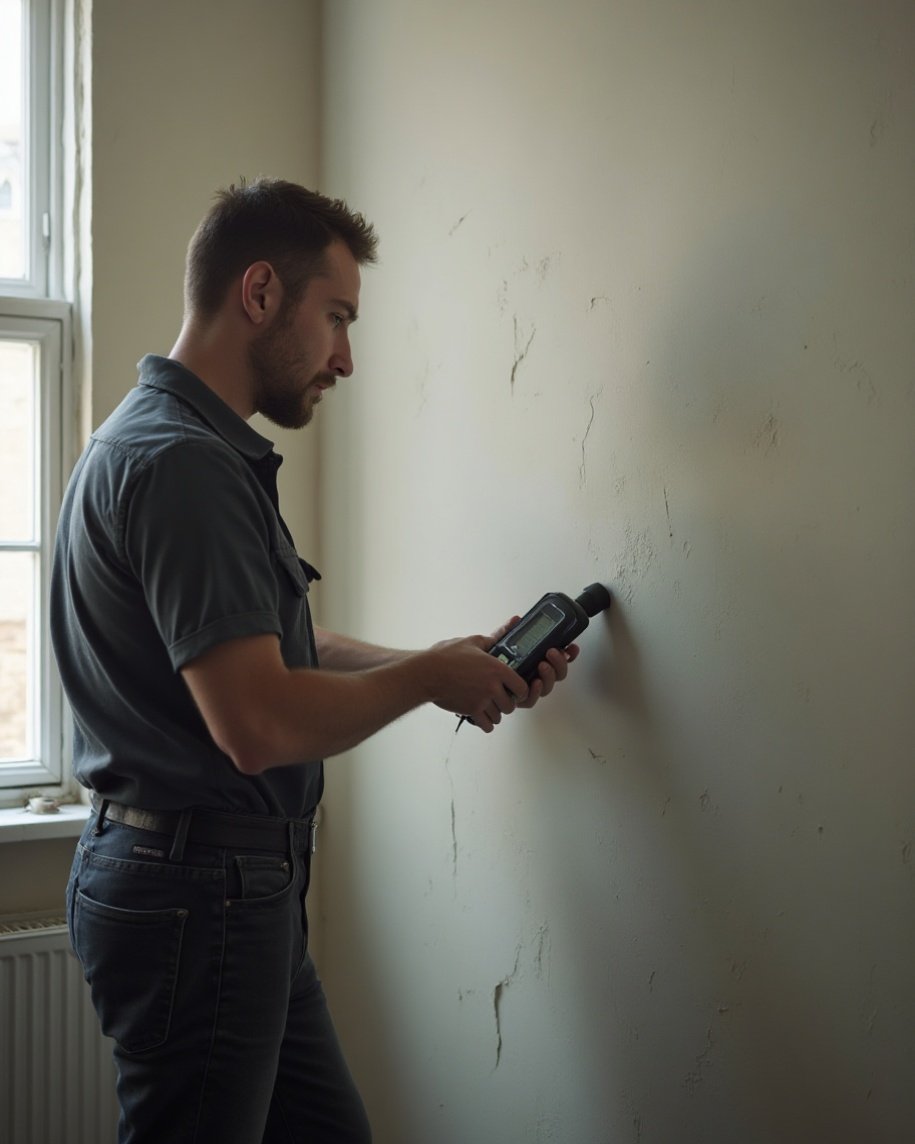
After a leak is located, the next step is understanding how long it has been affecting the property and what areas have been exposed to moisture. In many Blackheath homes, water doesn’t stay in one place — it spreads through walls, ceilings, or flooring, which means the visible damage is only part of the issue.
We recently followed up on a property in Blackheath where a leak under a kitchen unit had gone unnoticed for some time. By the time it was found, the surrounding materials had already absorbed a significant amount of trapped moisture, even though the surface looked relatively dry. This is a common situation where the extent of the problem isn’t immediately obvious.
Drying is an important part of the process. Even after the source is fixed, affected materials need time to release the retained moisture. Rushing to cover or redecorate the area too quickly can trap damp inside, which often leads to further issues like mould developing later on.
There are also cases where access affects how repairs are carried out. In some Blackheath properties, pipes run behind fitted units or under floors, making it harder to reach the source directly. This can influence the repair approach and the time it takes to fully resolve the issue.
It’s also worth noting that not all damage appears immediately. Moisture can weaken materials gradually, so areas that seem unaffected at first may show signs later if they’ve been exposed long enough.
At Mould Inspection London, the focus is on giving a clear picture of both the source and the impact of the leak in Blackheath. That way, repairs can be carried out properly, and the risk of ongoing damp or recurring problems is reduced.
Recurring Mould Solved
We regularly deal with mould that keeps coming back — identifying the real cause before treating it properly.
Cause, Not Just Cleaning
We don’t just remove surface mould. We check moisture levels, airflow, and hidden issues behind the problem.
Built for London Homes
From compact flats to older properties, we understand how mould develops in real London living conditions.
Clear, Practical Advice
You’ll know exactly what caused the issue and what needs to change to stop it returning.
Postcode coverage: SE3, SE12, SE13
Other locations we cover nearby: Blackheath