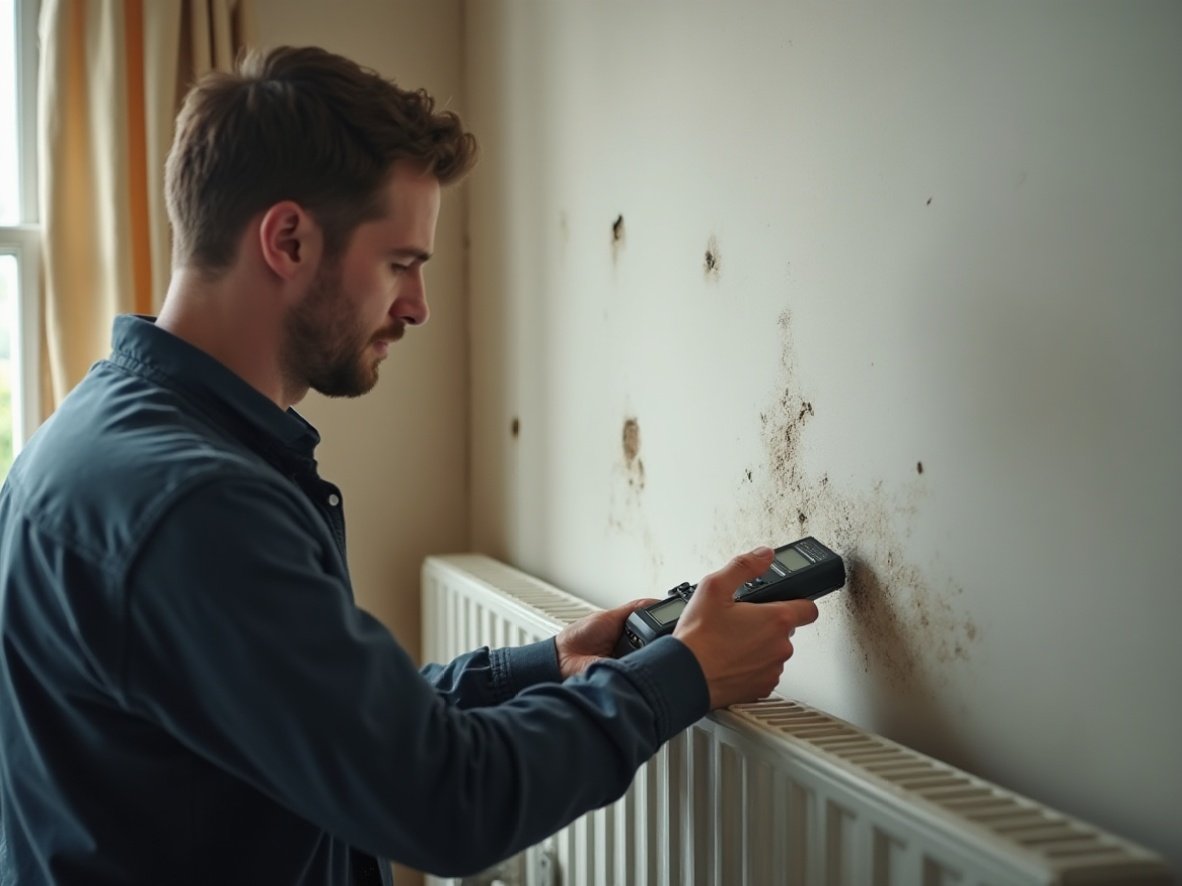
Proper Cause Detection
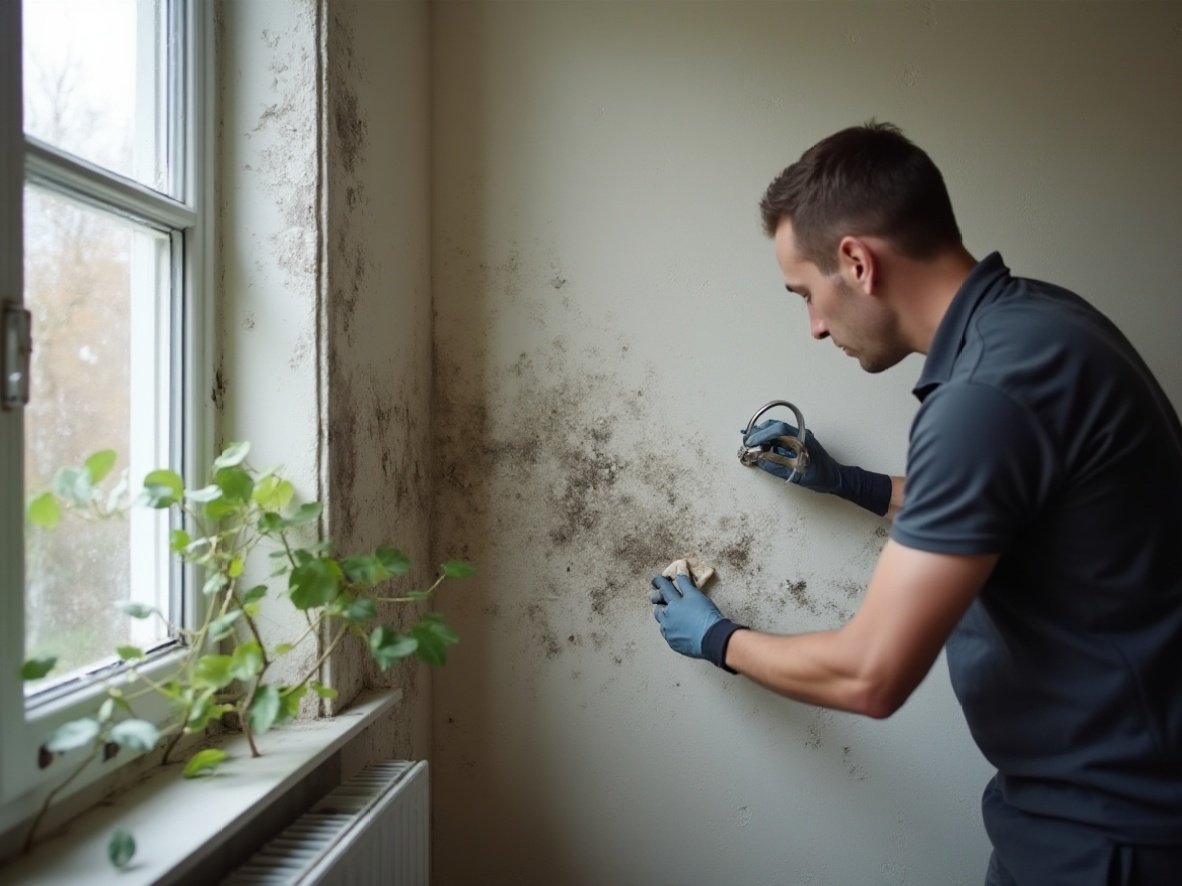
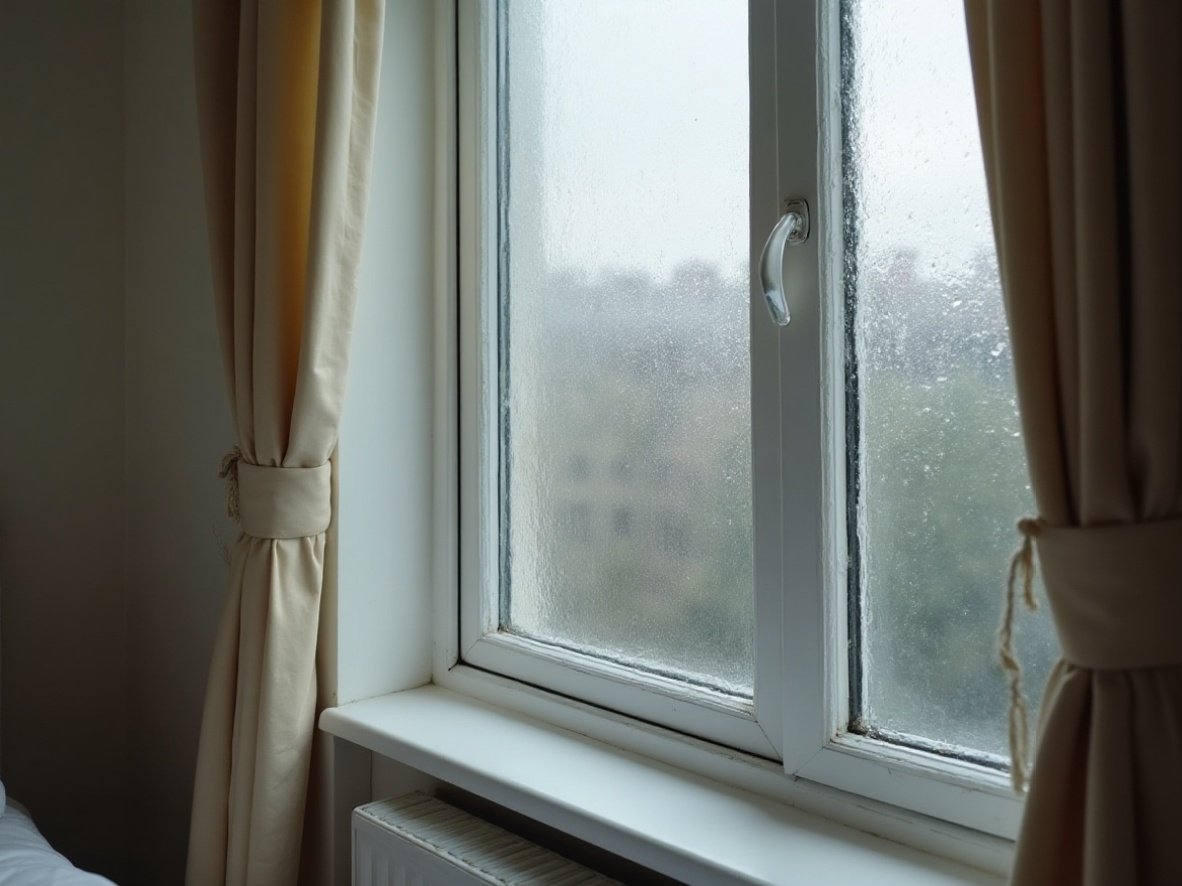
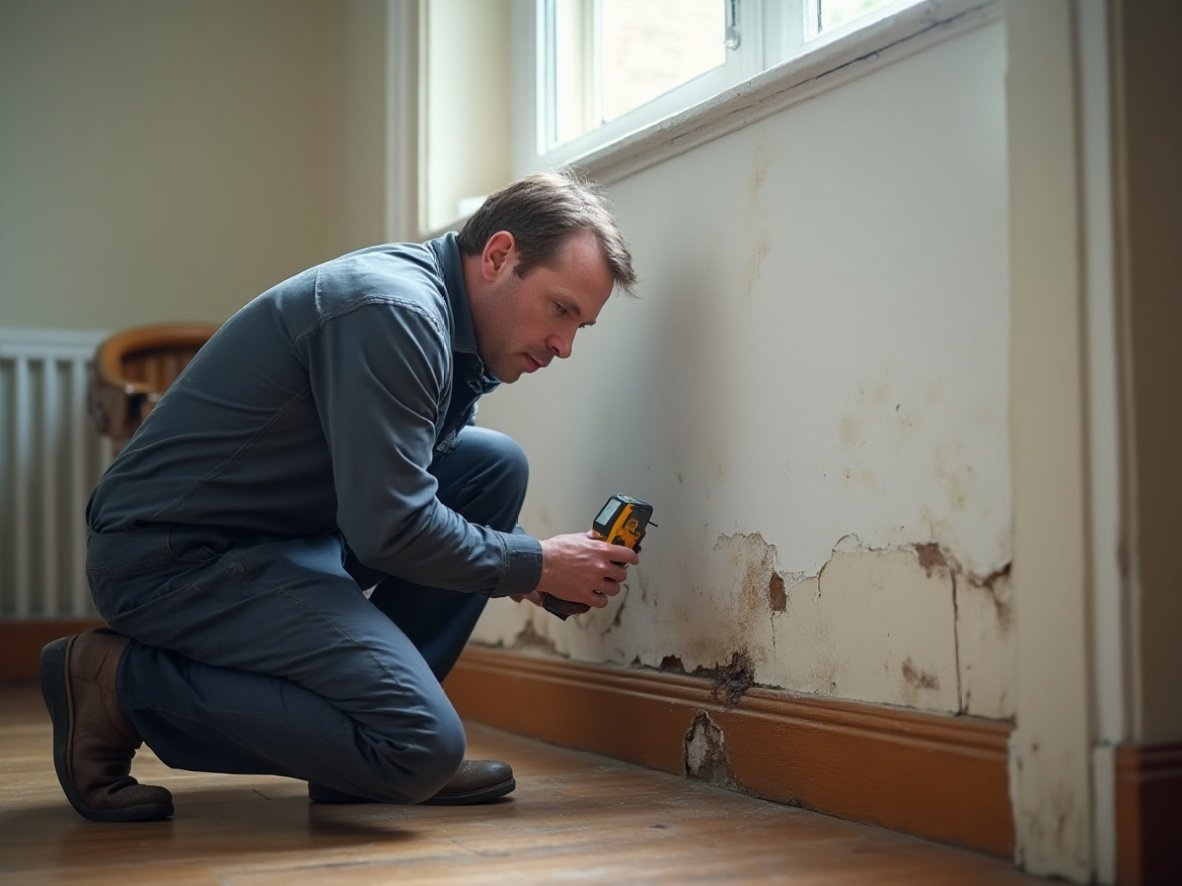
We don’t just remove visible mould. We identify whether it’s condensation, damp, or a hidden leak before treating it.
Water marks on external walls or damp patches appearing after rain are often linked to how water is handled outside the property. In London homes, blocked gutters, overflowing joints, or worn external surfaces can slowly direct moisture into walls without being obvious at first.
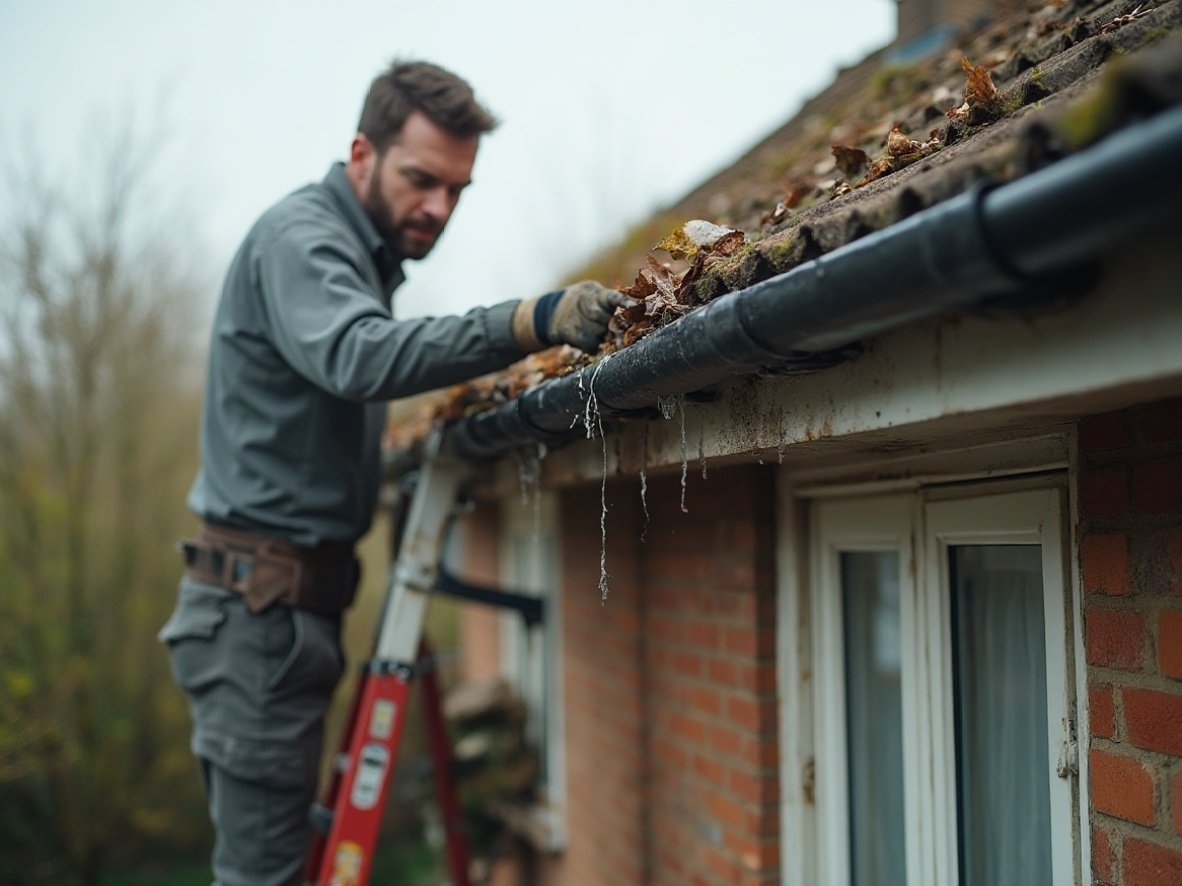
We recently checked a property in Ealing where staining along the upper wall was being caused by a partially blocked gutter. Water was spilling over during heavy rain and running down the brickwork, eventually affecting the internal wall below.
✔ Check for overflow points and blocked gutter sections
✔ Identify where water is entering or tracking along walls
✔ Clear, practical steps to stop external moisture causing damage



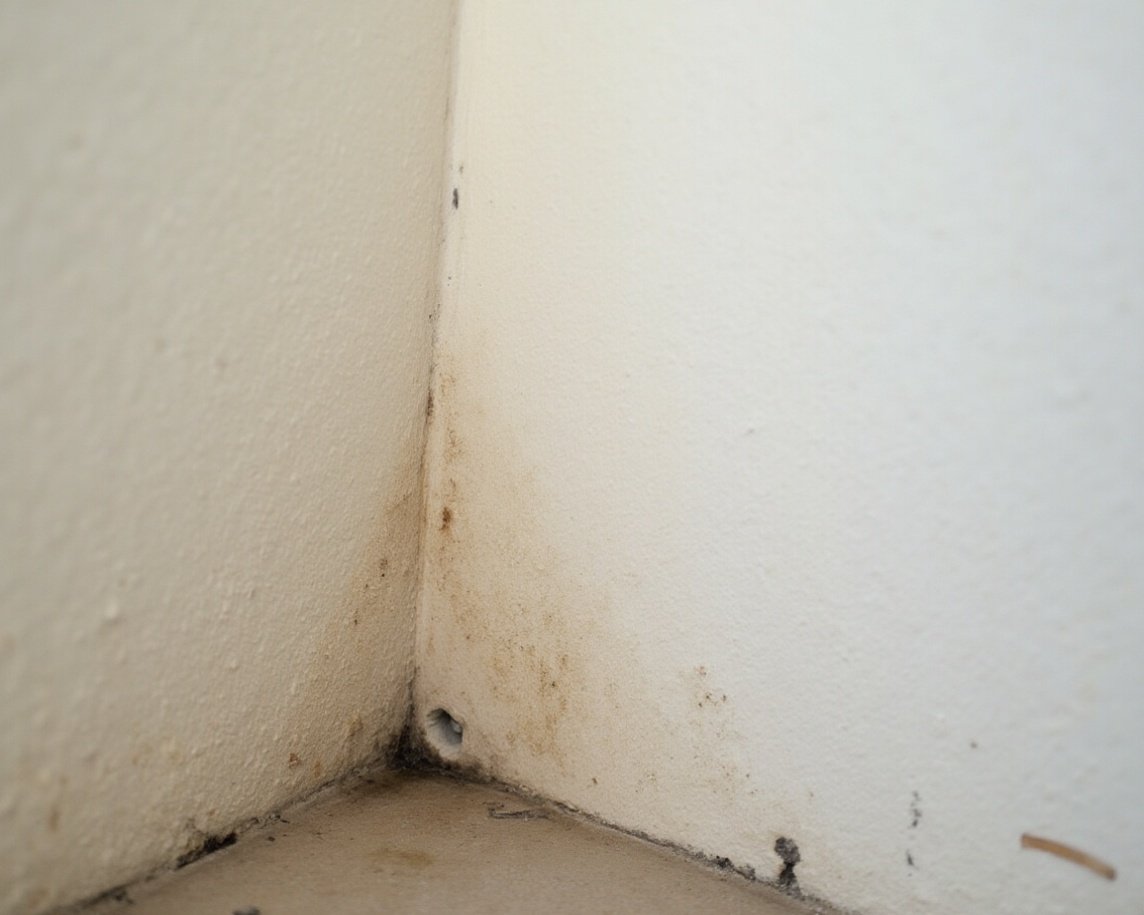
Water entering a property doesn’t always come from inside. In many London homes, the issue begins outside and only becomes noticeable once it has already worked its way through the structure. What makes this difficult is that the signs indoors often don’t point clearly to the source.
We recently checked a house in Acton where a damp patch kept reappearing in the same spot after every period of heavy rain. It wasn’t linked to plumbing or condensation. The problem was a misaligned gutter joint above that section of wall, allowing water to run down the brickwork instead of being directed into the downpipe.
External water tends to follow the path of least resistance. That could be along brick joints, around window frames, or through small cracks in render that aren’t visible at a glance. Over time, repeated exposure allows moisture to build up within the wall, eventually showing as staining, peeling paint, or a cold, damp surface inside.
Another factor is how water behaves during different weather conditions. A gutter might seem to work normally during light rain, but fail under heavier flow when debris slows drainage. This leads to overflow at pressure points, which often align with where internal issues later appear. Because of this, the problem can seem inconsistent or random.
We also come across properties where water is being redirected unintentionally. Small changes, like a loose bracket or slight sag in the guttering, can alter how water moves along the system. Instead of flowing evenly, it collects in certain areas and spills over repeatedly in the same location.
In terraced or semi-detached homes, the situation can be more complex. Water doesn’t always stay within one section of the property. If neighbouring guttering is blocked or poorly maintained, overflow can affect shared walls, making the source harder to identify without checking the full external run.
Addressing these issues starts with understanding how water is moving across the exterior of the building, not just reacting to what appears inside.
✔ Check how water flows across guttering and external surfaces
✔ Identify overflow points and hidden entry paths
✔ Practical steps to prevent external moisture reaching internal walls

Mould kept coming back behind our wardrobe no matter how many times we cleaned it. The technician explained it was condensation getting trapped against the wall. After the treatment and moving the furniture slightly, it hasn’t returned.
Booked them after trying to deal with it myself for months. What I liked is they didn’t just clean it and leave — they explained why it was happening and what to change. Feels properly resolved now.
We had mould on the ceiling near the bathroom and thought it was just poor cleaning. Turned out the extractor fan wasn’t working properly. They sorted the mould and explained what needed fixing.
I was expecting a quick clean, but they pointed out a small leak I hadn’t noticed. That explained why the mould kept coming back. Glad we dealt with it properly instead of just covering it up again.
The mould around our windows was getting worse every winter. The visit was straightforward, no overcomplicating things. They treated the areas and explained how to manage condensation better. Big improvement since.
We had a constant musty smell in the bedroom and didn’t realise it was mould starting in the corner. They didn’t rush the job — first checked the room properly, then treated the area. Also gave practical advice that actually made sense.
Gutters don’t usually fail all at once. In many cases, the problem builds up gradually as debris collects or small alignment issues develop. From ground level, everything can look normal, especially in dry weather. It’s only when rainwater isn’t moving as it should that the effects begin to show.
One pattern we see quite often is water spilling over at a single point rather than along the entire gutter. This usually happens where leaves or moss have partially blocked the flow. Instead of draining properly, water backs up and then drops down the same section of wall every time it rains. Over weeks or months, that repeated exposure starts to affect the surface and eventually the structure behind it.
Another situation involves slight sagging in the gutter line. Even a small dip can cause water to collect instead of flowing towards the downpipe. That standing water adds pressure during rainfall and increases the chance of overflow. It also keeps sections of the gutter constantly damp, which speeds up wear and makes further blockages more likely.
We’ve also come across cases where downpipes are partially restricted. Water appears to enter the system correctly but can’t exit fast enough, especially during heavier rain. As a result, the entire system backs up and begins to overflow higher up, often in places that don’t immediately draw attention.
The difficulty with these issues is that they rarely look dramatic from the outside. There’s no obvious break or visible damage. Instead, it’s a combination of small faults that together allow water to behave differently than intended.
By the time damp becomes visible inside, the external problem has usually been repeating for some time. Identifying those patterns early helps prevent the kind of ongoing moisture exposure that leads to more serious internal damage.
Recurring Mould Solved
We regularly deal with mould that keeps coming back — identifying the real cause before treating it properly.
Cause, Not Just Cleaning
We don’t just remove surface mould. We check moisture levels, airflow, and hidden issues behind the problem.
Built for London Homes
From compact flats to older properties, we understand how mould develops in real London living conditions.
Clear, Practical Advice
You’ll know exactly what caused the issue and what needs to change to stop it returning.