MOULD REMOVAL SPECIALISTS IN LONDON
Mould Removal
in London.
Find the cause.
Mould treatment, inspection & prevention
If mould keeps coming back, cleaning the wall may only deal with part of the problem. We provide mould removal in London and check for condensation, damp and hidden leaks before recommending treatment.
- Find out why the mould is returning
- Understand what needs treating or repairing
- Get clear advice for your home or rental property
020 4600 5416 Speak directly to a mould technician
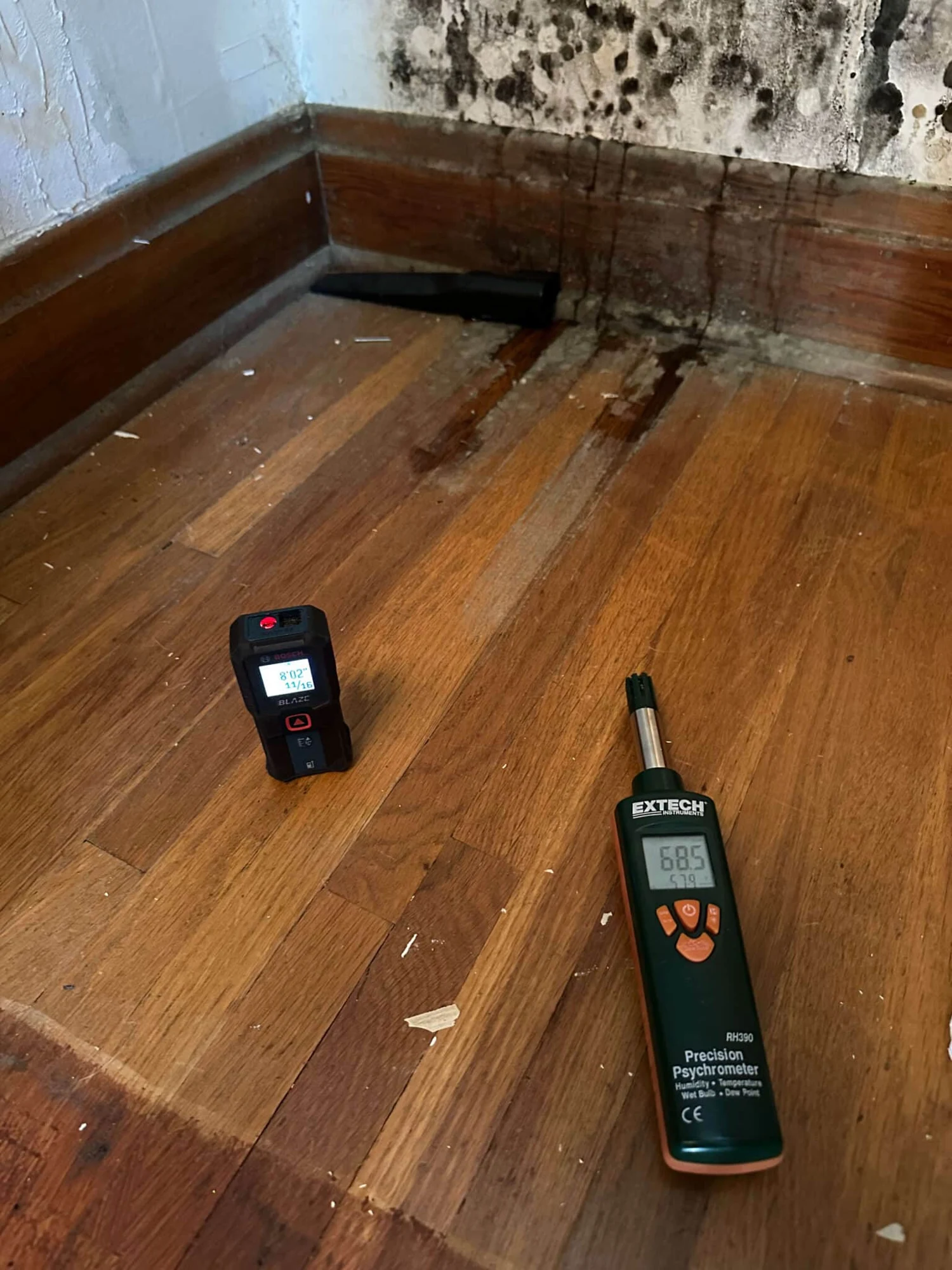
MOISTURE CHECK
Look beneath
the surface.
Wall & floor investigation
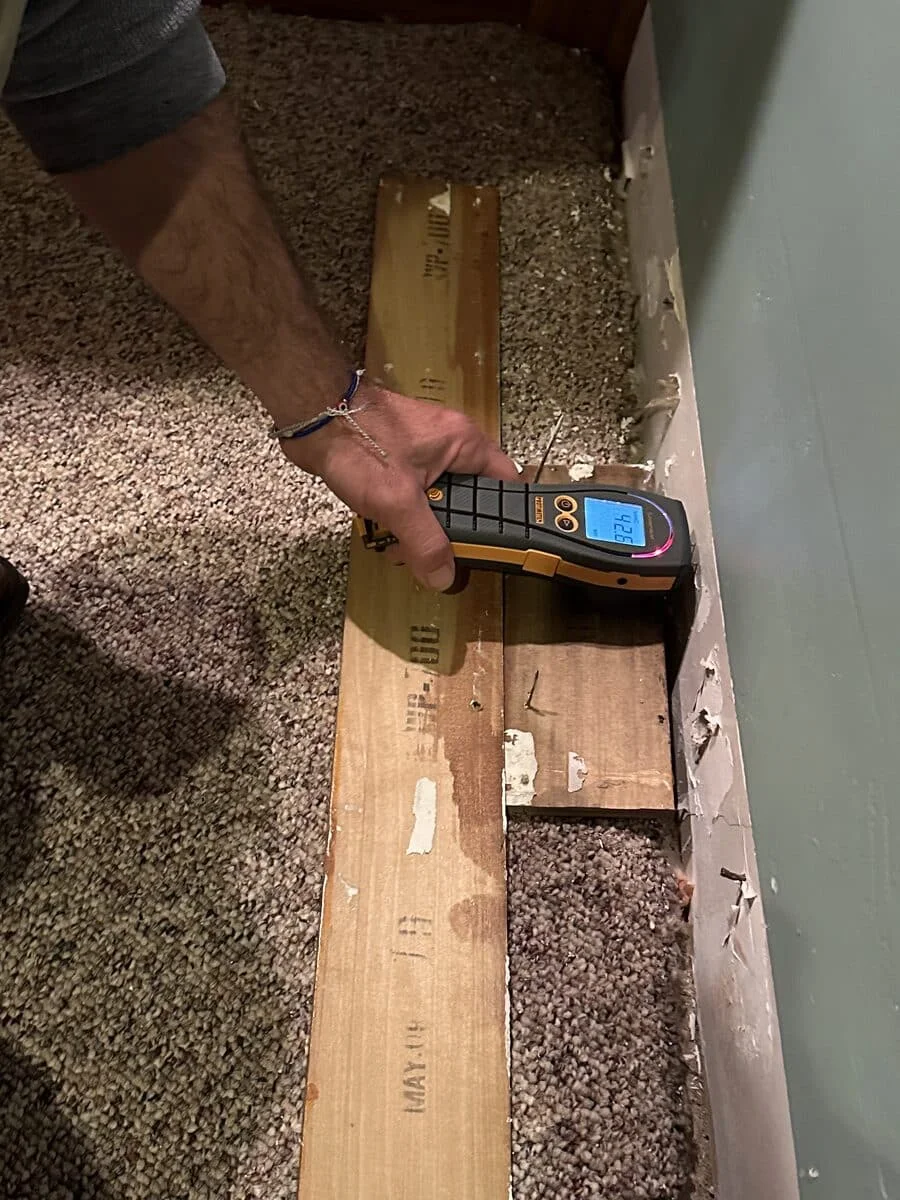
CAUSE INVESTIGATION
Trace the source.
Condensation · leaks · water ingress
REFERENCE PHOTOGRAPHY / NOT A LONDON JOB
WE FIND THE CAUSE —
NOT JUST THE VISIBLE MOULD.
Inspect → Identify cause → Treat → Prevent return
LOOK BEYOND THE SURFACE
Mould keeps coming back?
Check the moisture.
A wet window, a cold wall or a small leak can leave similar-looking patches. We investigate the conditions before deciding on treatment.
Condensation
Windows wet in the morning? Moist air may be settling on cold glass, walls and corners.
Hidden leaks
A small leak behind a wall or under a floor can keep an area damp long before you notice it.
Poor ventilation
A bathroom or kitchen extractor that is not working properly can leave moisture trapped indoors.
Cold bridging
Some parts of a wall stay colder than the rest. Those spots can attract condensation even when nearby surfaces look dry.
Penetrating damp
Staining that changes after rain may point to water coming through the outside of the building.
External water ingress
Overflowing gutters, roof defects and damaged external details can send water towards an internal wall.
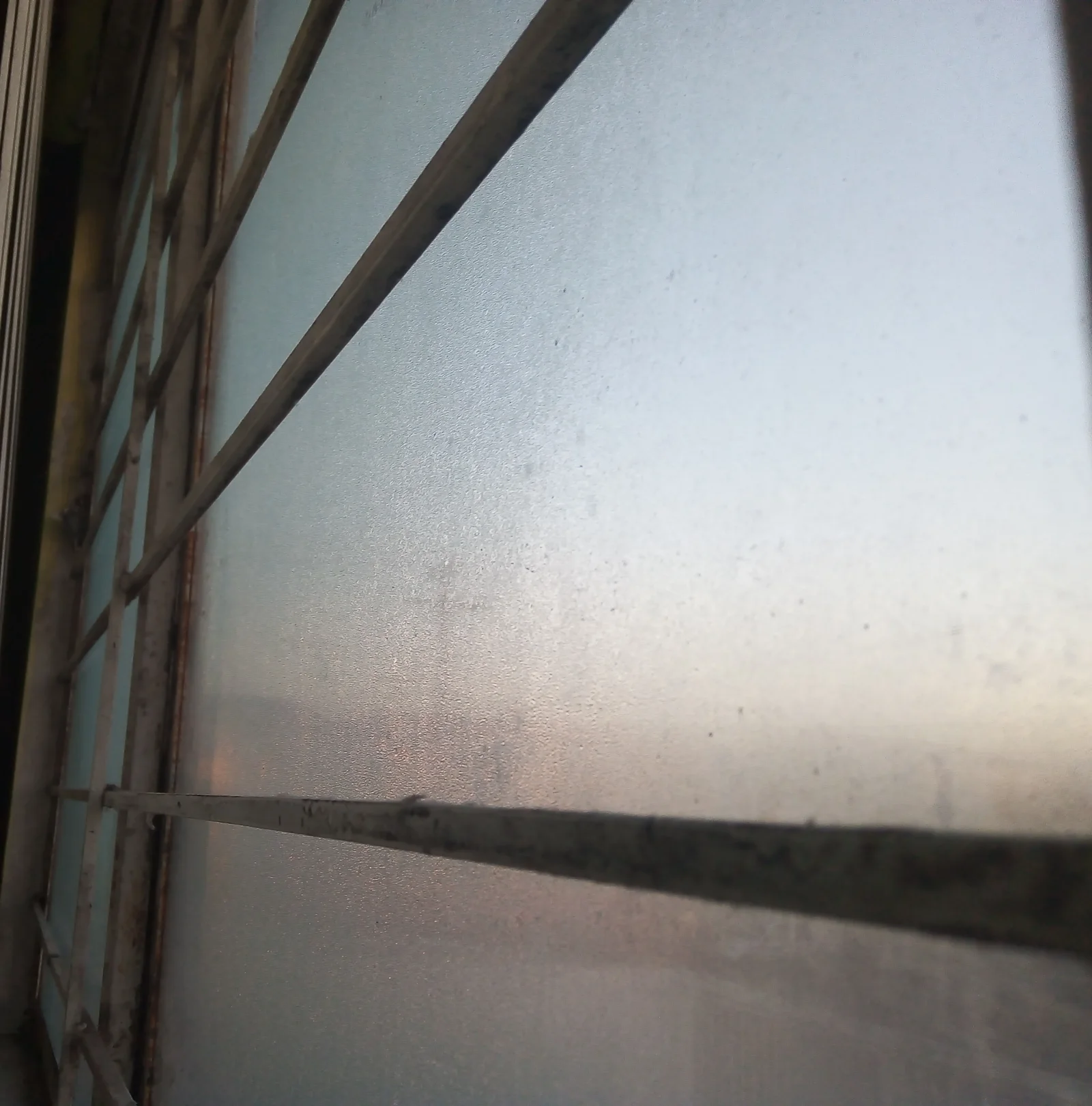
CONDENSATION IS ONE POSSIBLE CAUSE
What is keeping this area wet?
We look at when the moisture appears and where it collects, rather than assuming every patch has the same cause.
SPECIALIST PROPERTY SERVICES
Mould removal services
for London properties.
Some properties need treatment in one room. Others have a leak, damp or ventilation problem that needs attention as well. We explain the work before you decide.
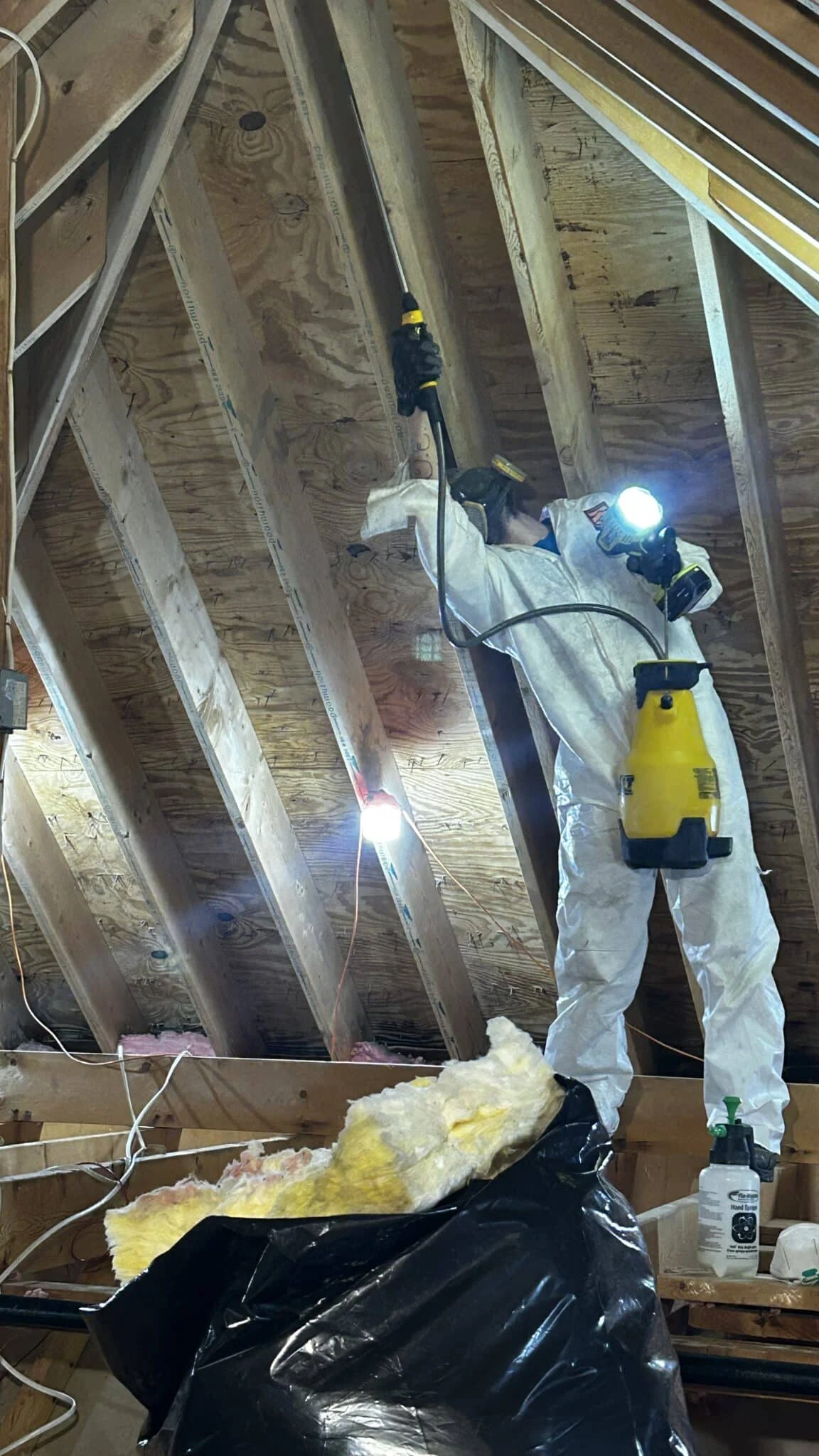
MOULD REMOVAL
Mould Removal
We assess the affected surface and how far the mould has spread before choosing a treatment. If damaged material or an unresolved leak needs other work, we explain that too.
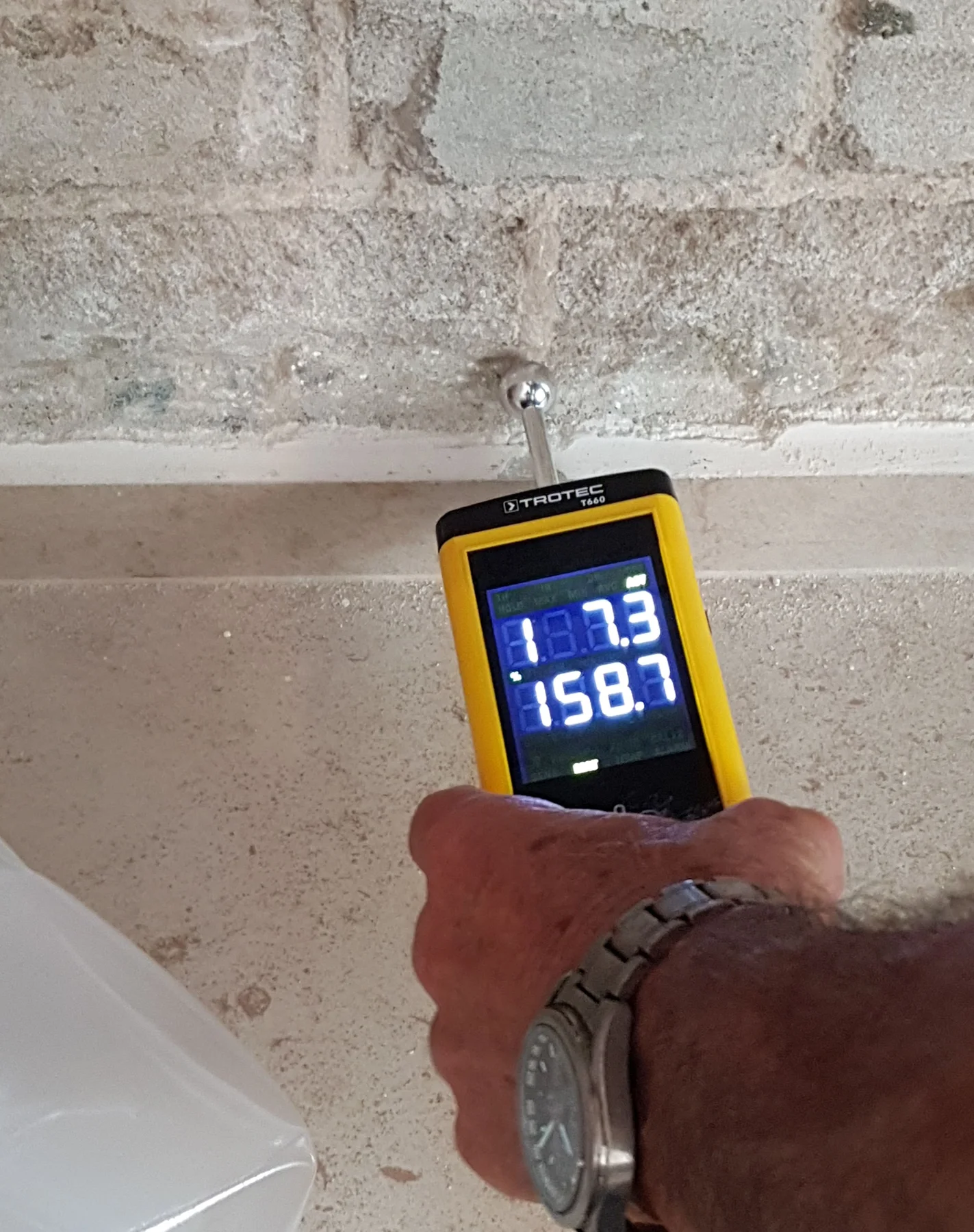
MOULD INSPECTION
Mould Inspection
For mould that keeps returning, we check moisture conditions and look for the likely cause. You get an explanation of the findings before deciding what to do next.
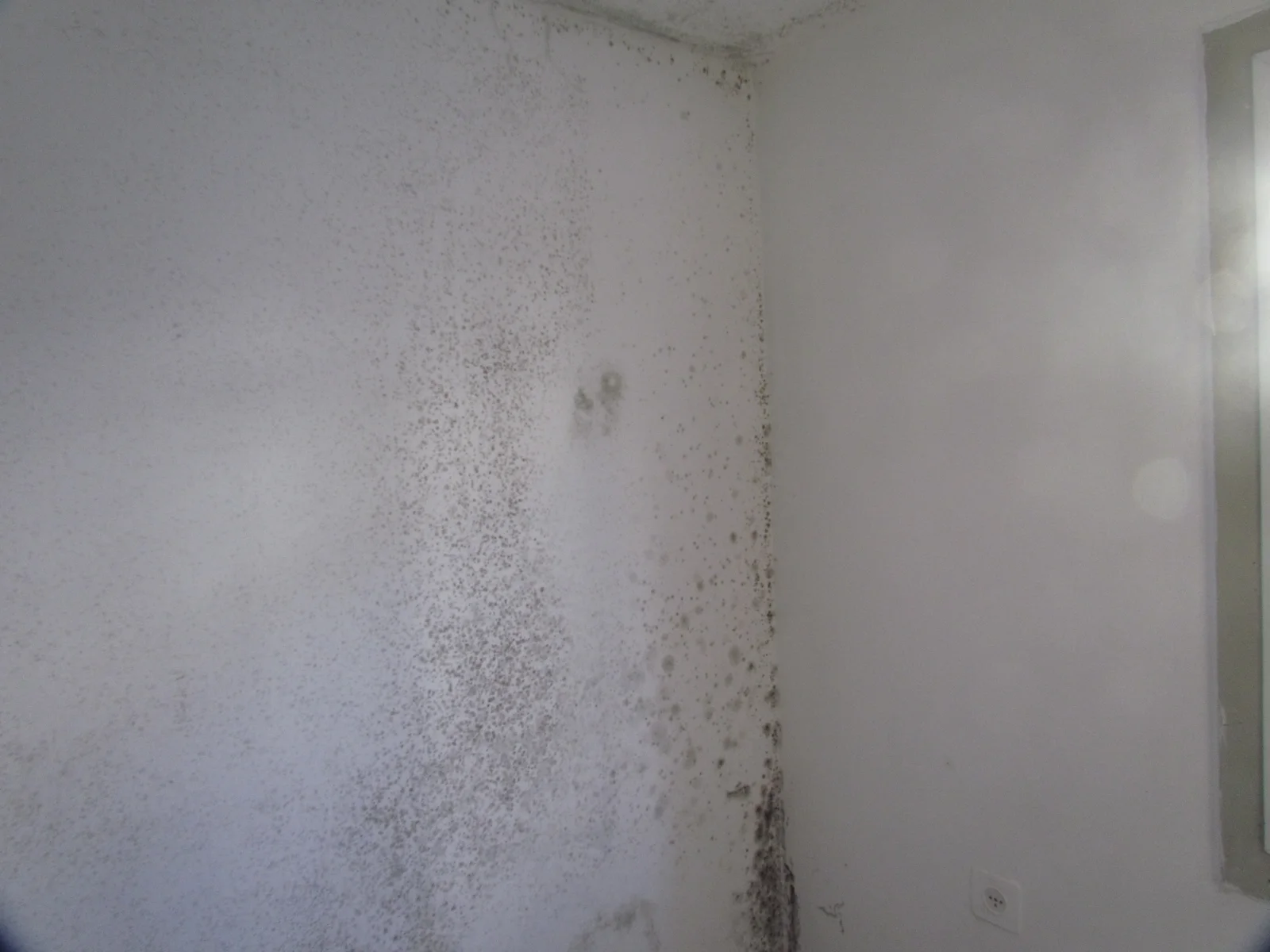
Black Mould Treatment
Dark patches around a window, in a bedroom or on a bathroom ceiling need more than a decision based on colour. We assess the surface, extent and moisture source.
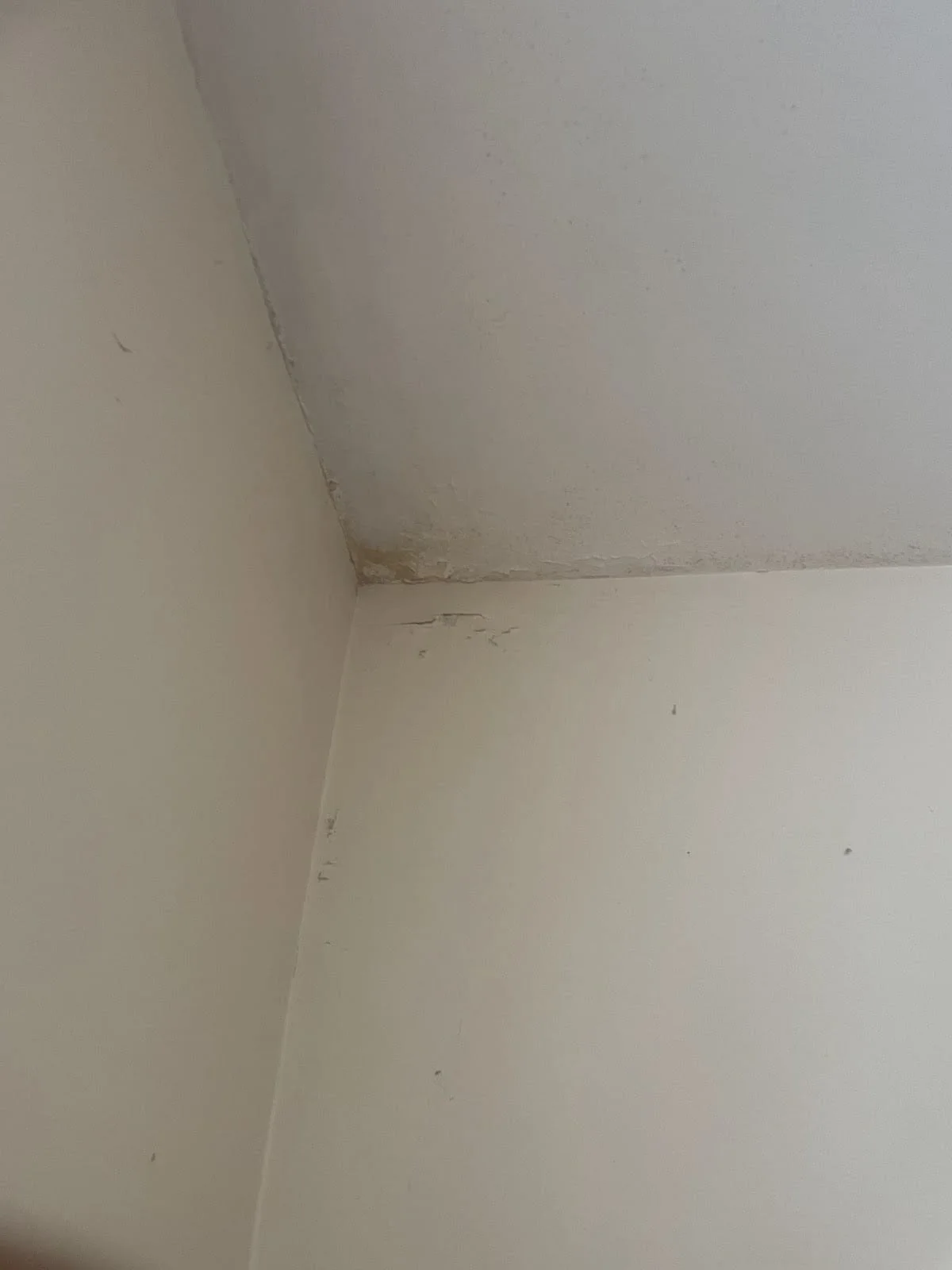
Damp Inspection
We investigate damp patches and staining to understand where the water may be coming from. The pattern can help distinguish a leak from external damp or condensation.
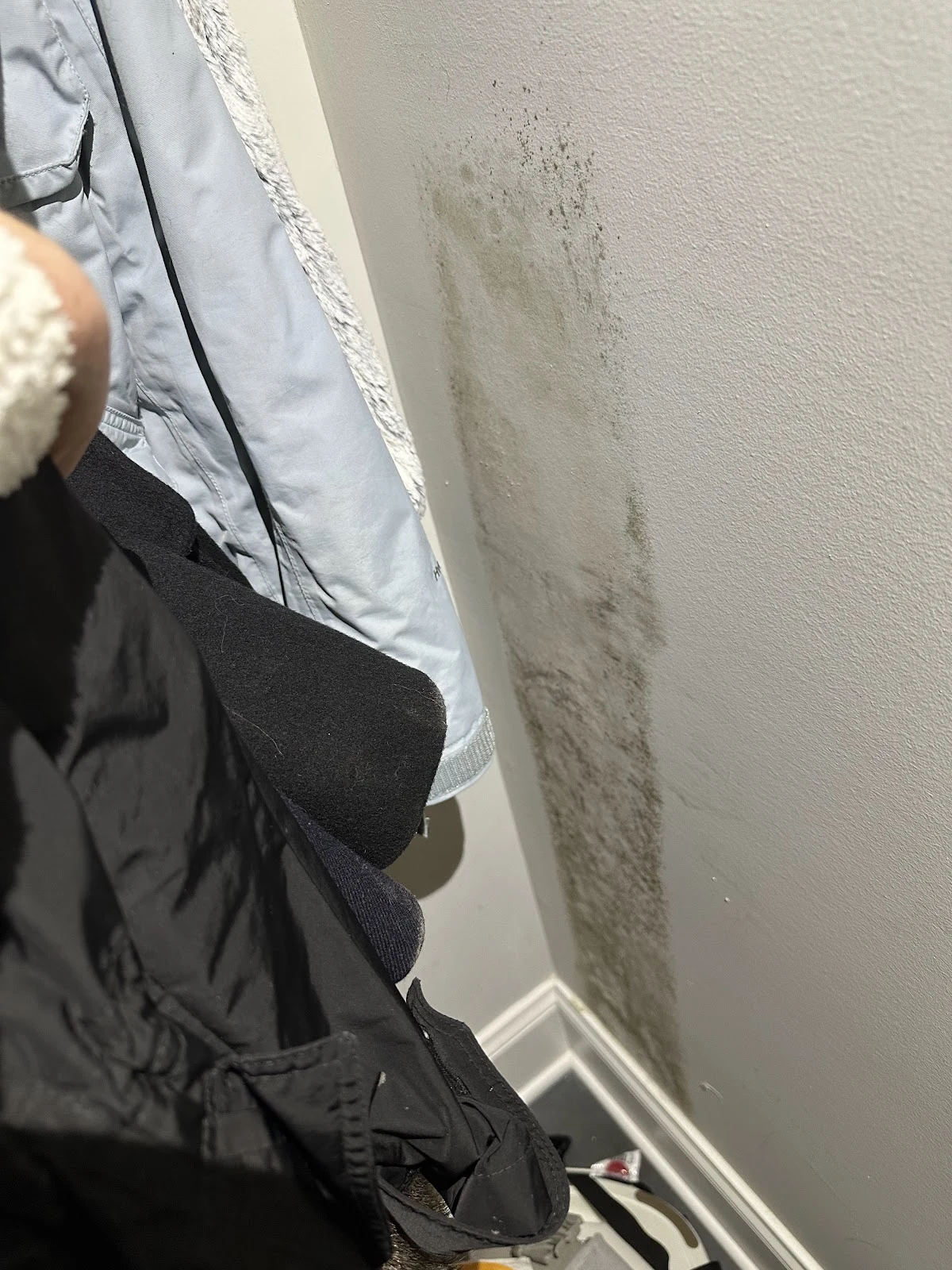
Condensation Investigation
We look at cold surfaces, extraction and airflow, particularly where mould returns around windows or in rooms that stay cooler.
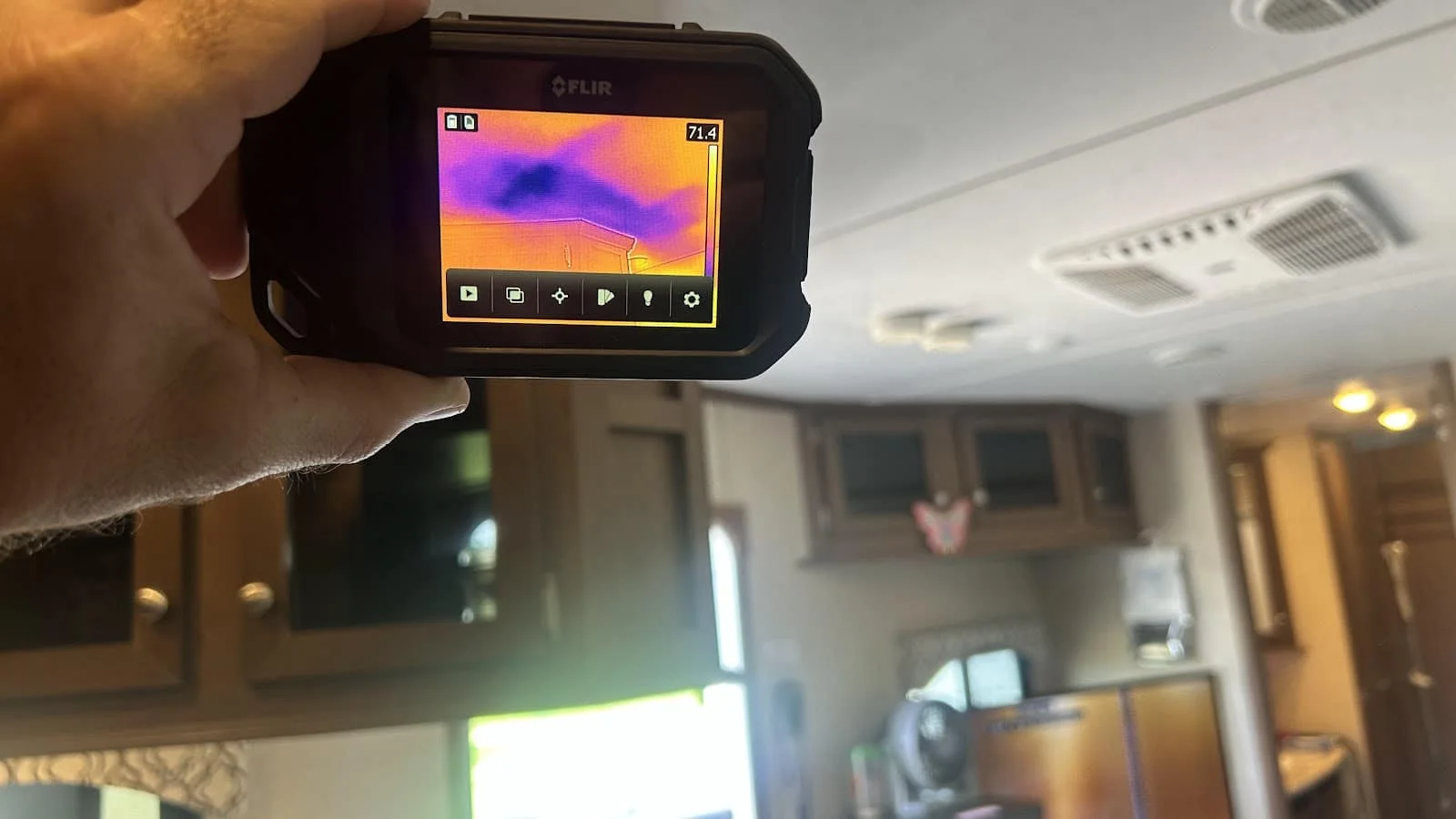
Leak Detection / Hidden Moisture
Moisture checks help investigate areas around pipework, behind finishes and below floors. We explain when further access or a separate repair may be needed.
OUTSIDE → INSIDE
External Water Issues
If the signs point outside, we look at how rainwater reaches the building rather than treating an internal patch in isolation.
FOLLOW THE WATER
Gutter / Water Ingress Problems
Overflow, staining and damp near roof edges can be useful clues. Addressing the source matters if water is still entering the property.
URGENT MOULD ENQUIRIES
Need emergency mould
removal in London?
If the problem needs prompt attention, call us rather than waiting for an online reply. Tell us your postcode, which rooms are affected and whether there is an active leak.
We will discuss the earliest visit available and the work that may be needed. Same-day attendance depends on availability and is not guaranteed.
When you call
- Your postcode and property type
- Where the mould appears and how long it has been there
- Any active leaks, recent repairs or rain-related staining
THE WAY WE WORK
How mould removal
works.
We explain what we find before treatment starts, including any separate repair or ventilation work that may be needed.
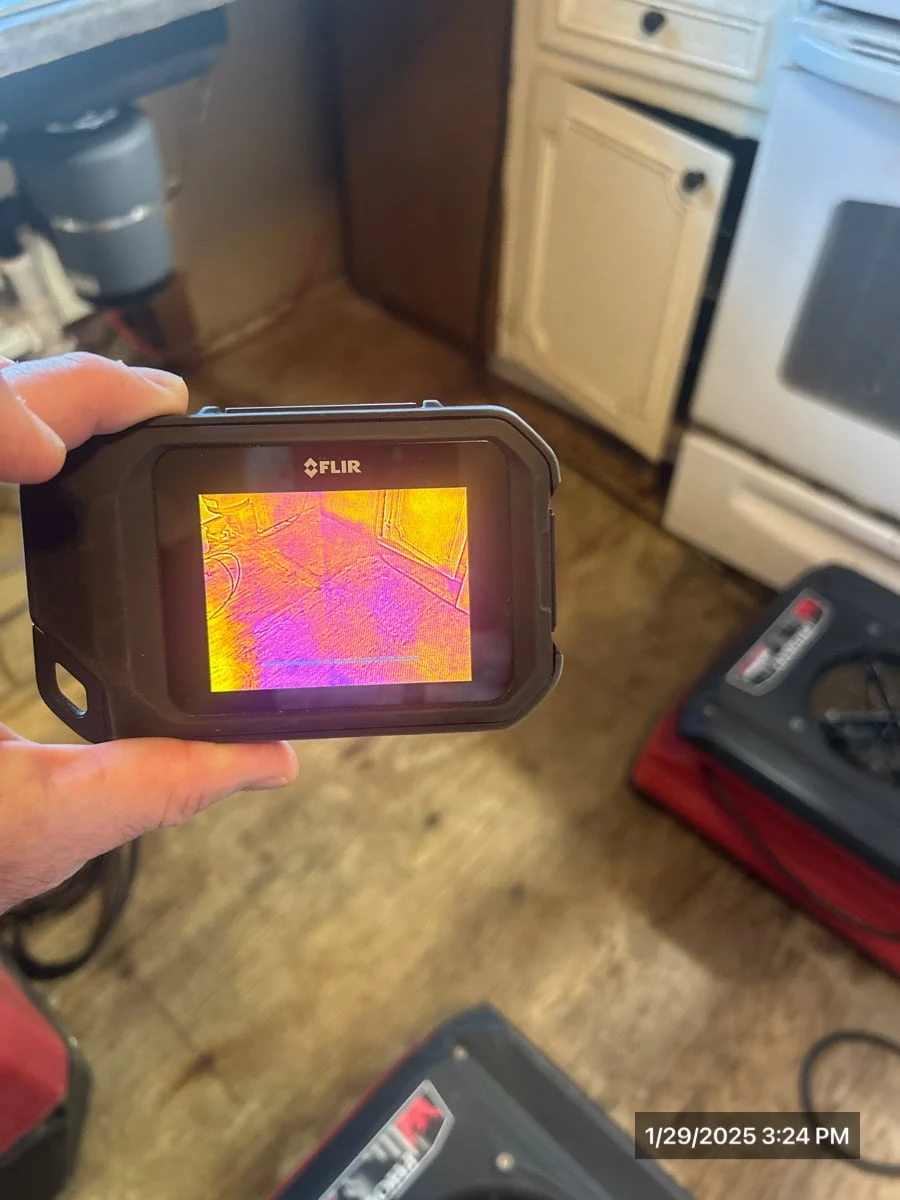
REFERENCE PHOTOGRAPHY / MOISTURE INVESTIGATION
Inspect
We ask when the mould appeared, where it returns and whether there have been any leaks. Then we examine the affected areas and check moisture conditions.
Diagnose
We bring the findings together and explain the likely cause. If a leak, building defect or ventilation problem needs further investigation, we tell you.
Treat
The treatment depends on the affected surface and extent of the growth. We explain the proposed work and any preparation before it starts.
Prevent
You receive advice on the changes needed to reduce the chance of mould returning. That may involve ventilation, a repair or changes around the affected room.
INSPECT → IDENTIFY CAUSE → TREAT → PREVENT RETURN
RECOGNISE THE SIGNS
Where mould appears
in London homes.
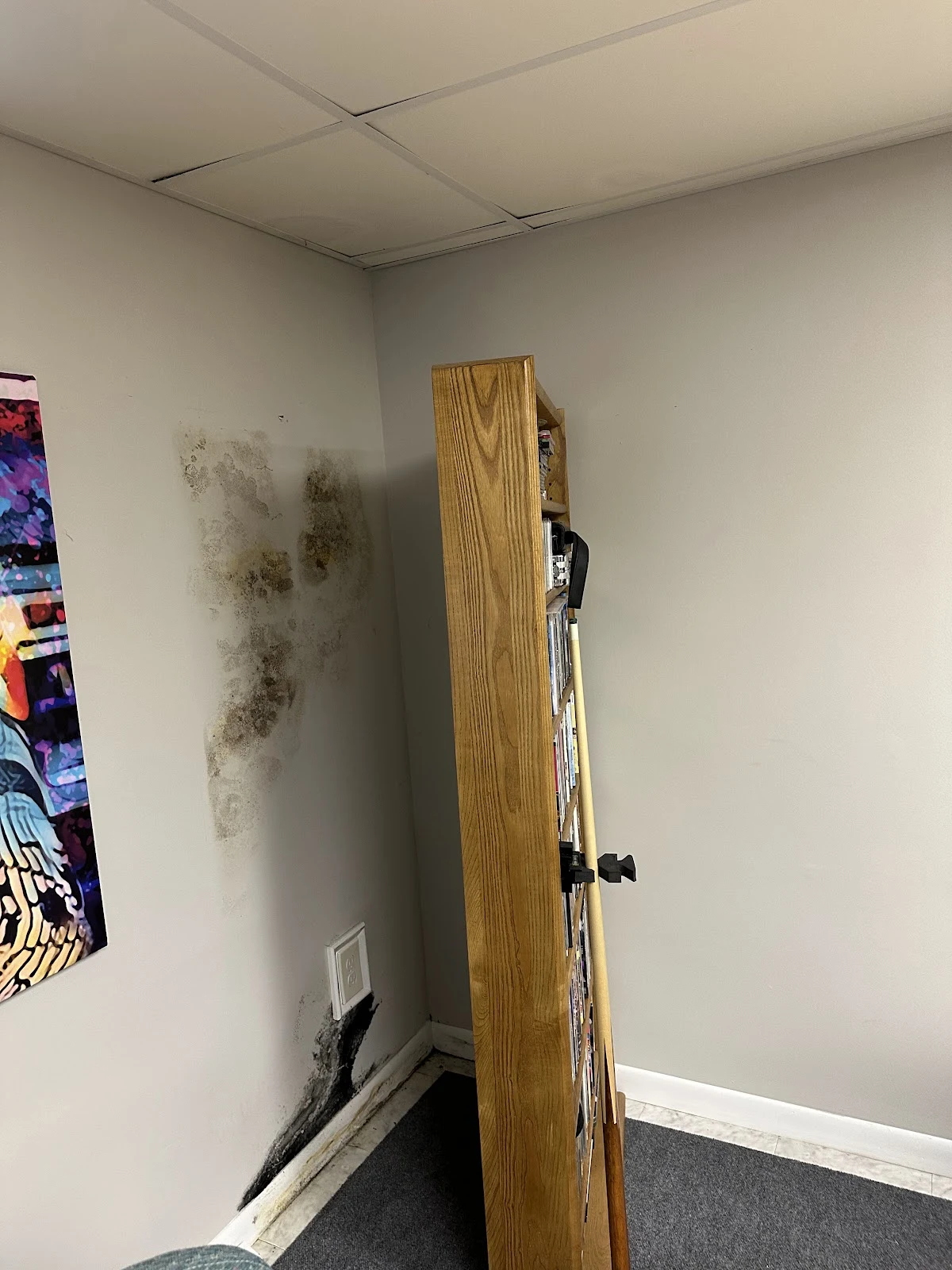
The visible patch is the beginning of the investigation.
Mould around windows
Wet sills, cold reveals and patches around frames, especially during colder weather.
Bedroom mould
Growth in corners, on external walls or in a bedroom that stays cooler than the rest of the home.
Bathroom mould
Patches on ceilings, walls or seals where moisture remains after showers.
Mould behind furniture
Growth behind wardrobes or sofas placed close to a cold external wall.
Black mould on walls
Dark patches that spread or return after cleaning, with the underlying cause still unresolved.
Recurring condensation
Windows and cold surfaces becoming wet repeatedly, rather than after a single event.
Musty smells
A persistent smell that may justify checking places you cannot easily see.
Hidden moisture
Damp clues near pipes, under floors or behind finishes, sometimes without visible mould.

LONDON / HOMES WITH CHARACTER
LONDON PROPERTY EXPERIENCE
Mould removal in flats,
houses and rental properties.
London properties vary widely. A basement flat, a converted Victorian house and a modern apartment can have quite different moisture problems.
Flats
We consider shared pipework, external walls and rooms with limited airflow. The moisture source may be outside the affected room.
Victorian houses
Solid walls, chimney breasts, older roof details and rainwater goods can all be relevant to damp and recurring mould.
Converted properties
A conversion can change how rooms are heated and ventilated. We look at the layout as well as the visible patch.
Rental properties
A clear explanation helps tenants, landlords and managing agents understand what work is needed and arrange access.
HMOs
Shared bathrooms and kitchens can produce more moisture. Extraction and the way it reaches other rooms are worth checking.
Modern apartments
In a well-sealed apartment, working extraction and ventilation matter. We investigate the conditions rather than assuming the cause.
WHY CHOOSE US
What you can expect
from the visit.
The cause is checked first
A patch that keeps returning needs an explanation. We look for the moisture source before recommending mould treatment.
Moisture findings explained
You hear what was found, what it may mean and where a further check or repair is needed.
A plan for the affected surface
Paint, plaster, timber and other materials can need different work. The proposal reflects the condition of your property.
Clear limits to the treatment
If a leak or ventilation issue remains, we explain why removal alone may not prevent the mould returning.
London property context
The approach takes account of flats, conversions, older houses and rented properties, rather than treating every room the same.
Practical advice afterwards
You understand what to change, what needs a repair and which signs to keep an eye on after the visit.
AREAS WE COVER
Mould removal
across London.
Call with your postcode, the rooms affected and how long the mould has been there. We can discuss the right type of visit and current availability.
Clapham · Fulham · Wimbledon · Islington
Camden · Hackney · Ealing · Across London
Homeowners · Landlords · Property managers

LONDON COVERAGE / SCHEMATIC, NOT A BOUNDARY MAP
Explore an inspection in your area
These guides explain different property and moisture questions. Call with your postcode to discuss access and appointment availability.
Find the guide for your property in our London inspection coverage directory. Call with your postcode if you are unsure which area applies.
YOUR QUESTIONS
Questions about
mould removal.
Why does mould return after I clean it?
The surface may still be getting damp. Condensation, a slow leak or water entering from outside can allow mould to return after the visible marks are removed. An inspection helps decide what needs to change alongside the treatment.
Can I arrange emergency mould removal in London?
If you need an urgent visit, call 020 4600 5416 with your postcode and a short description of the problem. We will discuss the earliest appointment available and whether inspection, treatment or a separate repair needs to come first. Same-day availability is not guaranteed.
What is included in a mould removal visit?
The work depends on the affected area and surface. We discuss the problem, assess the growth and moisture conditions, and explain the proposed treatment. If damaged material or a separate leak repair needs attention, that is discussed before the work is agreed.
How much does mould removal in London cost?
The size of the area, affected material, access and underlying moisture problem all affect the work required. Call with your postcode, property type and the rooms affected so we can discuss the appropriate next step and how the work will be quoted.
Is mould inspection needed before removal?
It is particularly useful when mould keeps returning, appears in several areas or follows a leak. Understanding the moisture source helps avoid choosing a treatment that only deals with the visible patch.
Is black mould treated differently?
The colour alone does not identify the species or determine the treatment. The extent of the growth, the affected material and the moisture conditions need to be assessed.
Can you help landlords and managing agents?
Yes. Let us know who is arranging the visit, who occupies the property and how access will be provided. Information about earlier leaks, repairs and recurring patches is useful when assessing the problem.
Will the mould come back after treatment?
It may return if the moisture source remains. We explain any ventilation changes, repairs or other steps needed alongside the removal. The advice depends on what is found in your property.
Can a gutter problem cause mould inside?
Overflowing gutters and water entering through roof or wall defects can contribute to damp conditions indoors. If staining changes after rain, mention that when you call; the investigation may need to include the outside of the building.
What should I tell you when I call?
Your postcode, property type, affected rooms and when you first noticed the mould are helpful. Mention active leaks, staining after rain and whether the patches return after cleaning. This helps us discuss the right kind of visit.
LET’S START WITH THE CAUSE
Need help with mould
in your London property?
Speak to a Mould Technician
Tell us where it is, when it appears and what you’ve already tried.