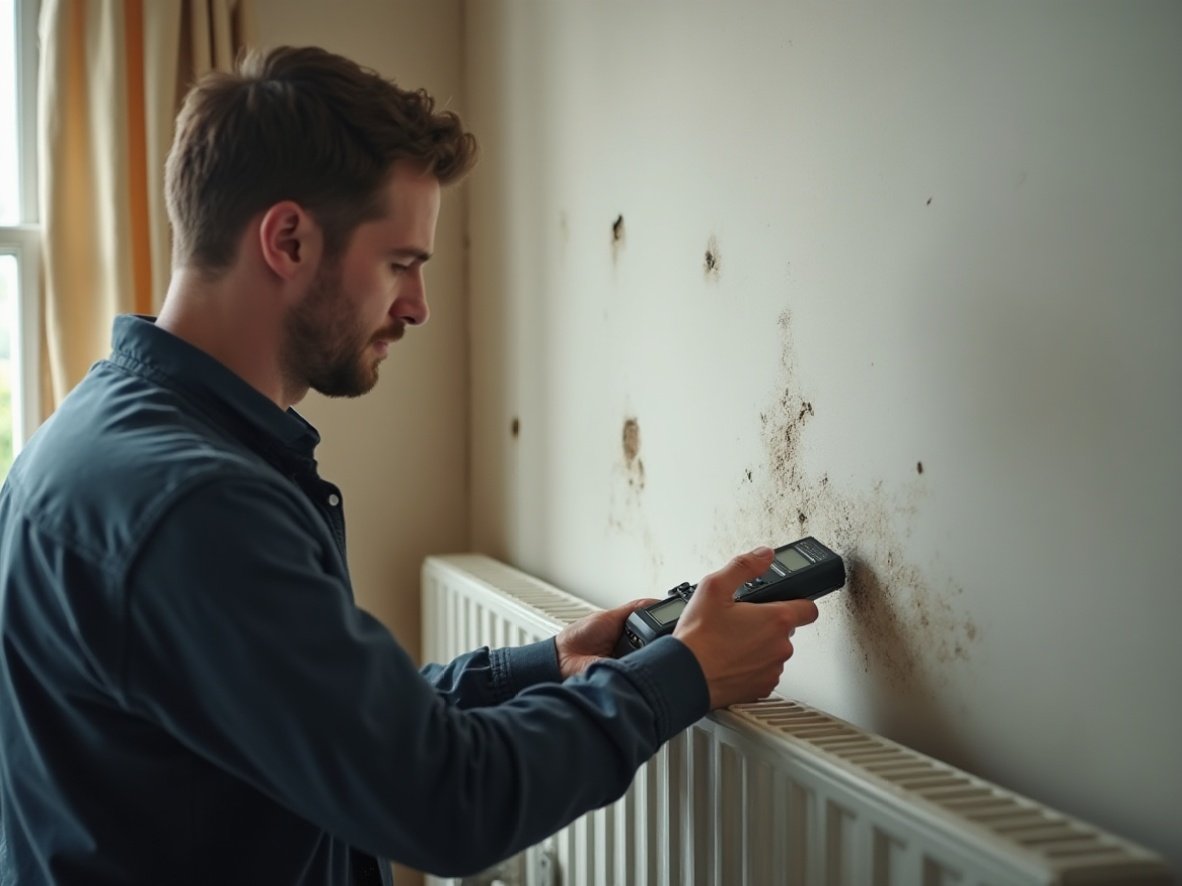
Proper Cause Detection
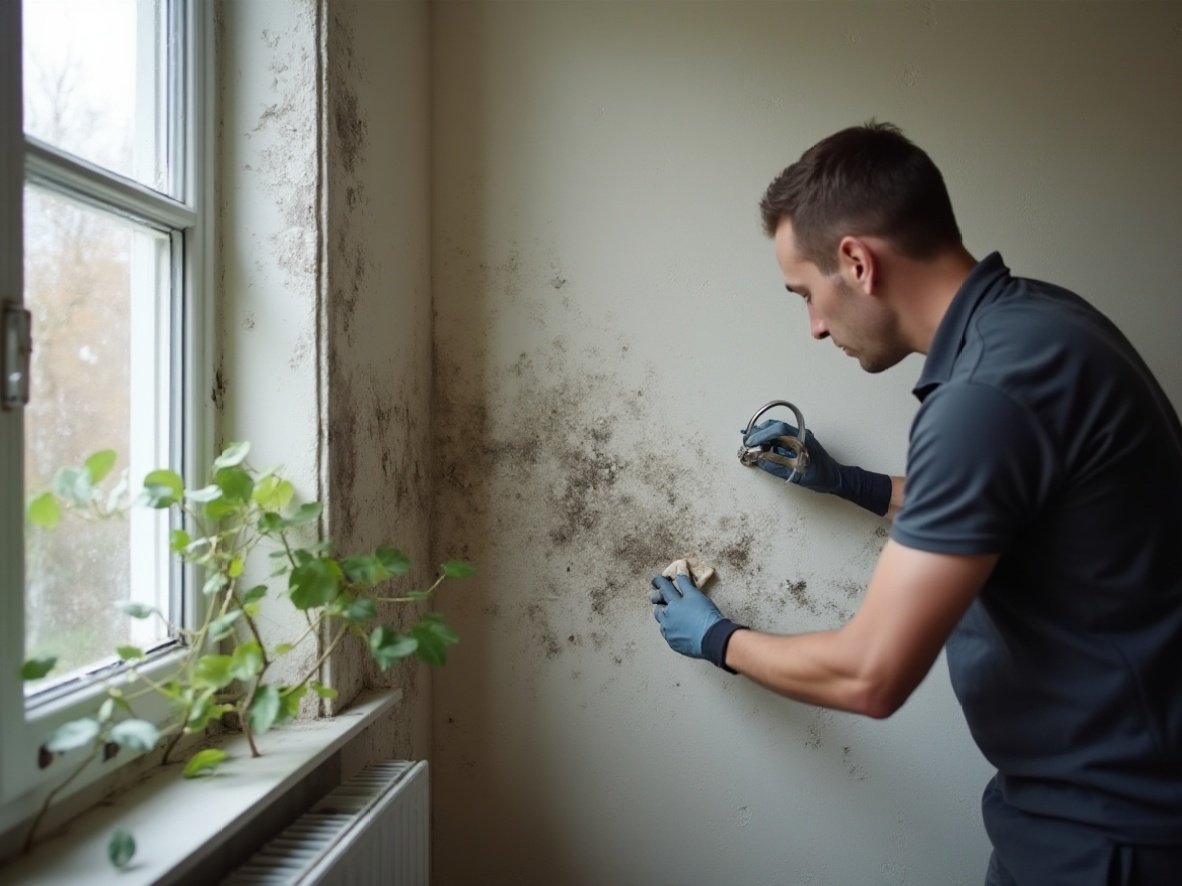
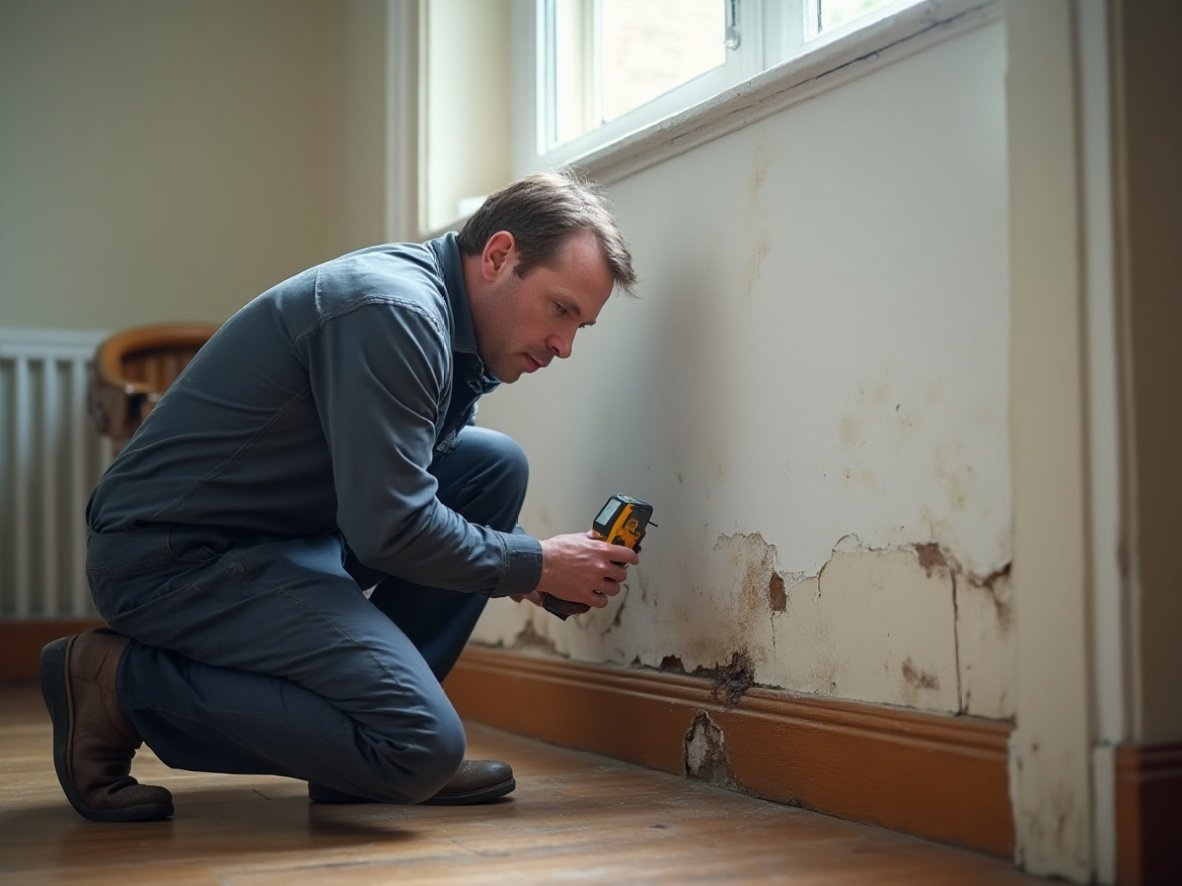
We don’t just remove visible mould. We identify whether it’s condensation, damp, or a hidden leak before treating it.
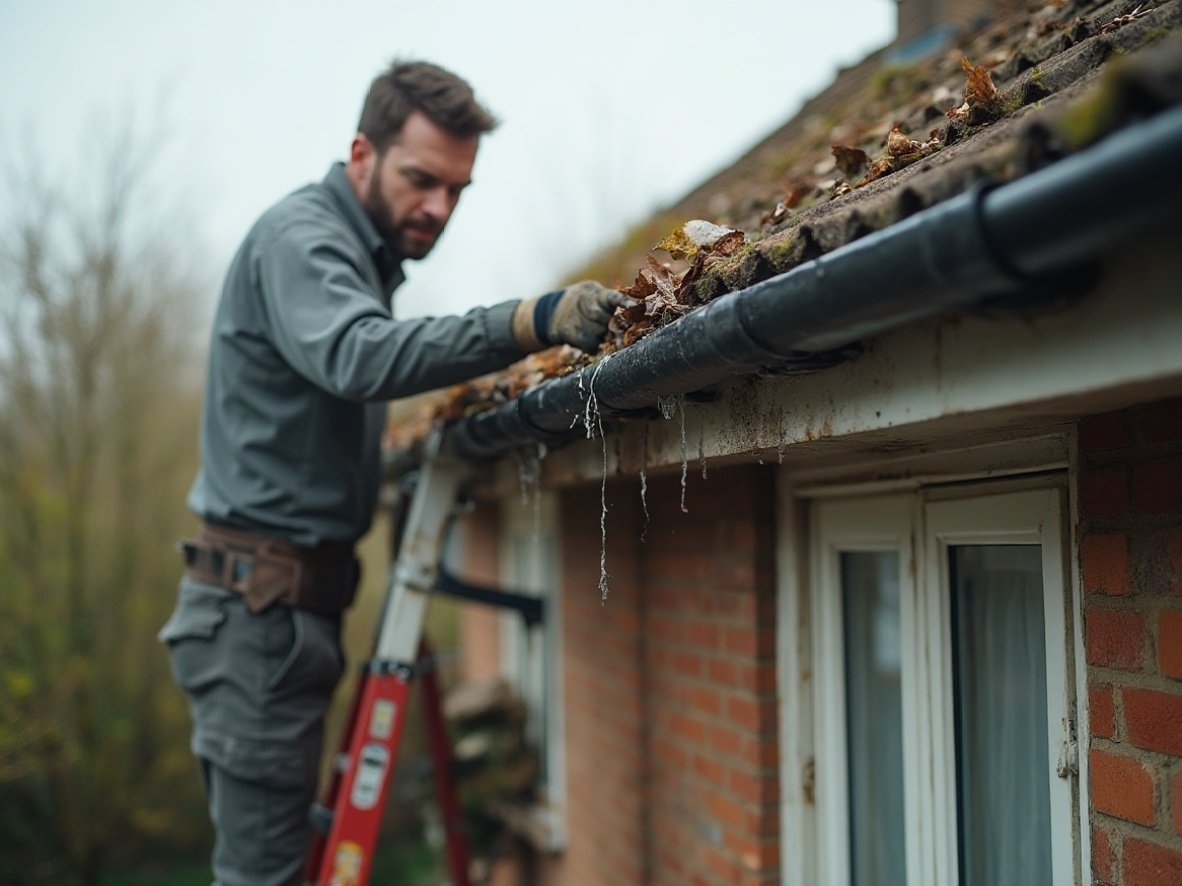
External water problems in Reading often come from blocked or poorly maintained gutters, allowing rainwater to overflow and soak into walls. Over time, this can lead to damp patches inside the property, especially along ceilings and upper walls.
In Reading, regular gutter maintenance helps prevent long-term moisture damage and reduces the risk of internal damp. Addressing external water flow early makes a noticeable difference to how the property handles rain and moisture overall.



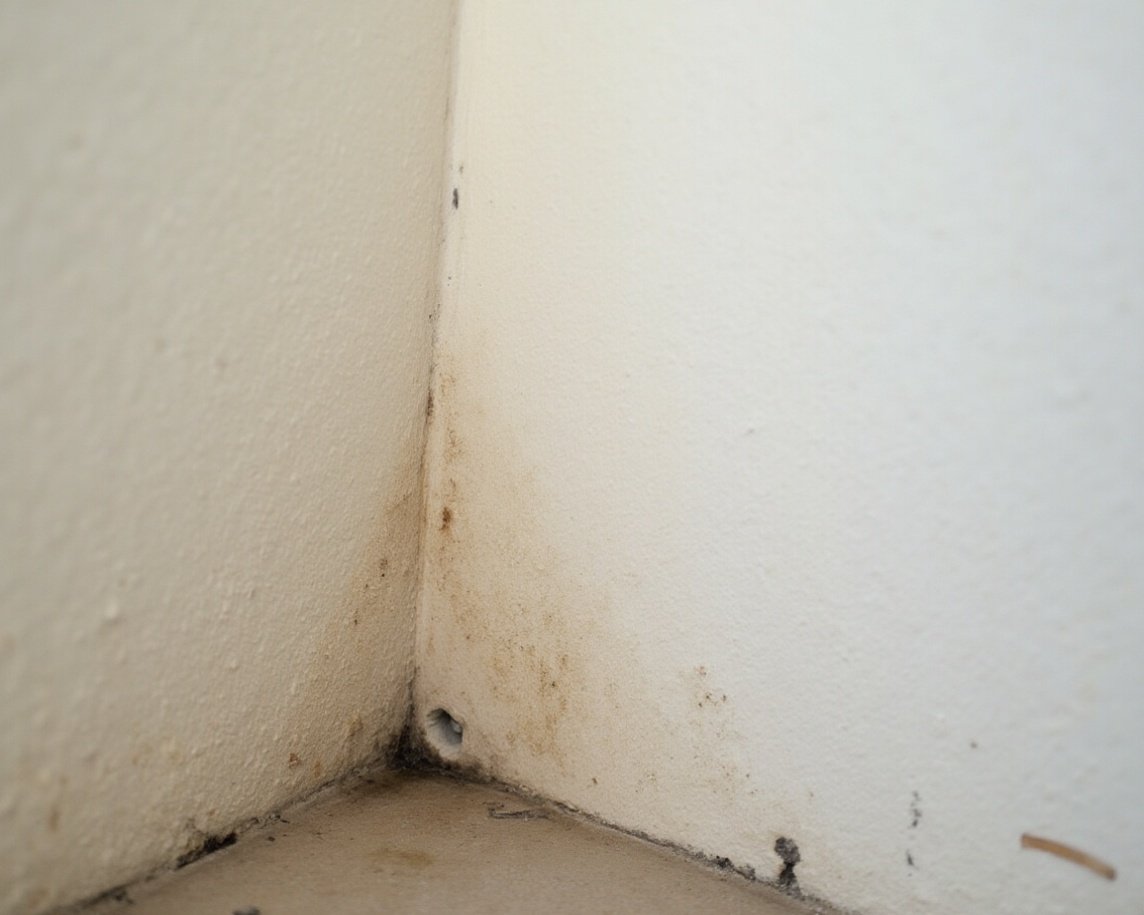
In Reading, external water problems often go unnoticed until they start affecting internal walls. Gutters and downpipes are designed to direct rainwater away from the building, but when they become blocked or damaged, water begins to overflow and run down the exterior surfaces. Over time, this repeated exposure allows moisture to work its way into the structure.
We recently checked a property in Reading where damp patches had appeared along the upper corner of a bedroom wall. The initial concern was internal condensation, but the inspection showed a blocked gutter directly above that section. Rainwater had been spilling over for some time, saturating the wall and slowly creating visible damp inside.
One of the key signs of external water issues in Reading is the location of the damp. It often appears higher up on walls or along ceiling edges, especially after periods of heavy rain. Unlike condensation, which tends to form on colder surfaces inside the property, this type of moisture is linked to how water is being managed outside.
Gutter condition plays a major role. Leaves, debris, and general wear can all reduce how effectively water is carried away. In some cases, gutters may look intact but have small blockages or alignment issues that cause water to overflow in specific areas.
Access can also be a factor. In many properties in Reading, especially terraced houses or buildings with limited access, gutters aren’t checked regularly. This allows minor issues to develop into more persistent problems over time.
Addressing external water flow early is important. Once moisture starts penetrating walls, it can take longer to dry out and may lead to additional issues inside the property. Keeping gutters clear and ensuring water is directed away properly helps maintain the overall condition of the building.

Mould kept coming back behind our wardrobe no matter how many times we cleaned it. The technician explained it was condensation getting trapped against the wall. After the treatment and moving the furniture slightly, it hasn’t returned.
Booked them after trying to deal with it myself for months. What I liked is they didn’t just clean it and leave — they explained why it was happening and what to change. Feels properly resolved now.
We had mould on the ceiling near the bathroom and thought it was just poor cleaning. Turned out the extractor fan wasn’t working properly. They sorted the mould and explained what needed fixing.
I was expecting a quick clean, but they pointed out a small leak I hadn’t noticed. That explained why the mould kept coming back. Glad we dealt with it properly instead of just covering it up again.
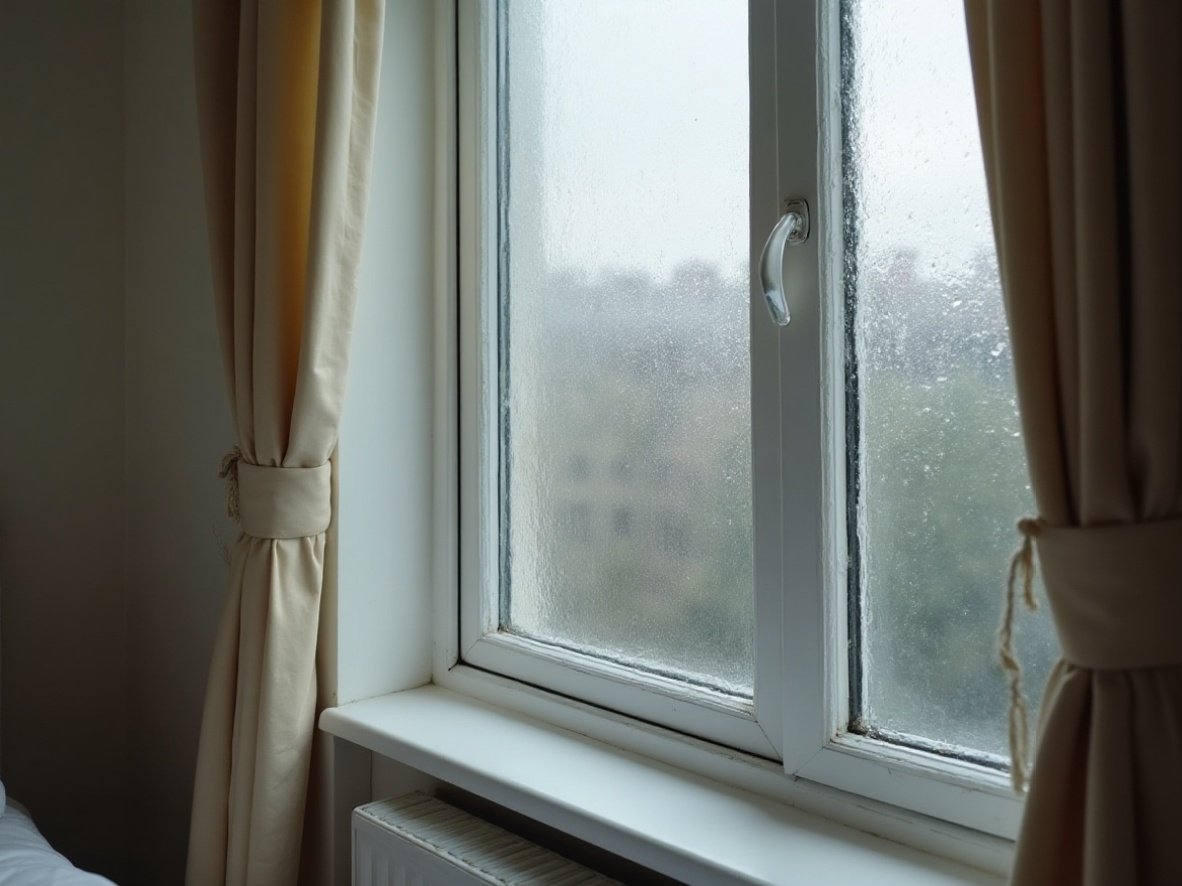
The mould around our windows was getting worse every winter. The visit was straightforward, no overcomplicating things. They treated the areas and explained how to manage condensation better. Big improvement since.
We had a constant musty smell in the bedroom and didn’t realise it was mould starting in the corner. They didn’t rush the job — first checked the room properly, then treated the area. Also gave practical advice that actually made sense.
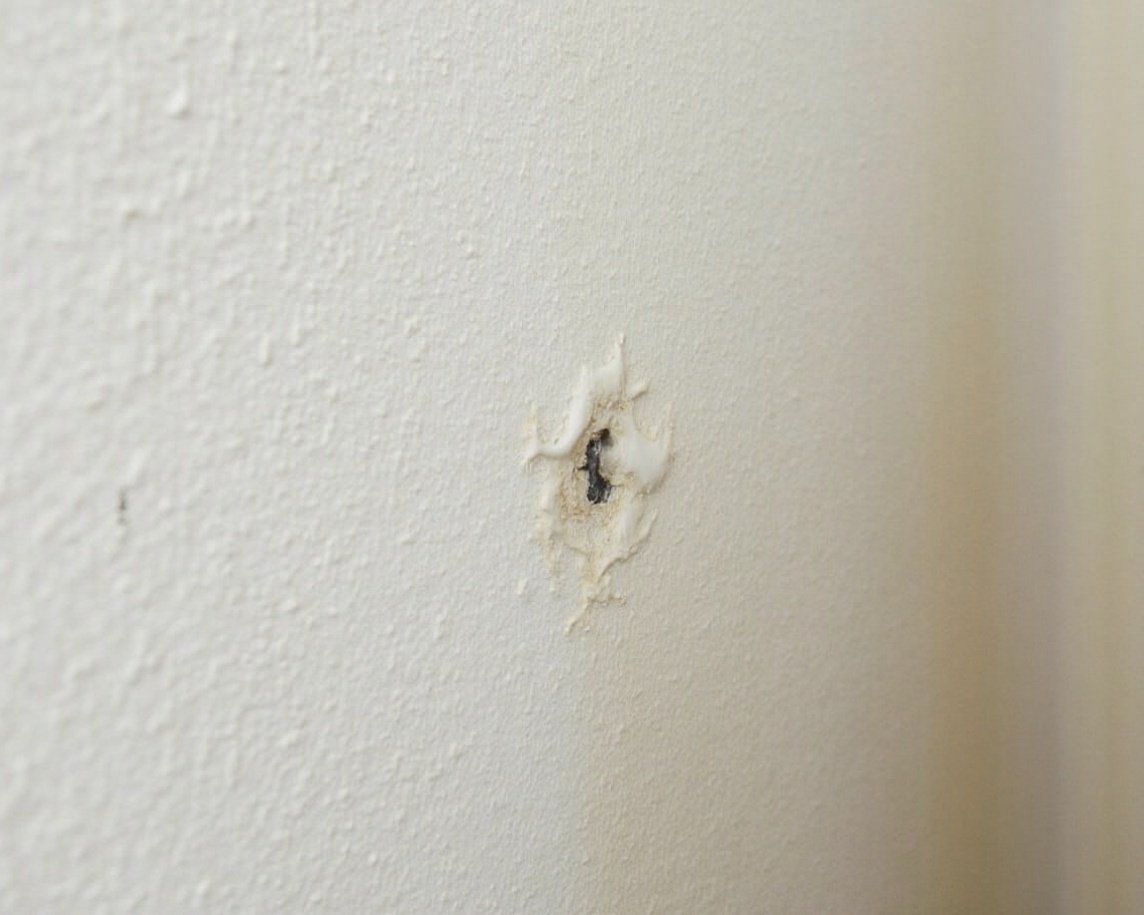
Once external water starts affecting a property in Reading, it’s usually because something simple has been left unchecked for too long. Gutters don’t need to be completely blocked to cause problems — even partial build-up can slow down water flow and lead to overflow during heavier rain.
We recently inspected a house in Reading where damp kept appearing on an internal wall after storms. The gutter wasn’t fully blocked, but debris had built up enough to redirect rainwater toward one section of the property. Over time, that repeated exposure led to moisture ingress through the external wall, which then showed up inside.
Downpipes are just as important. If they’re loose, cracked, or not draining properly, water can collect around the base of the building or run down the wall instead of being carried away. This creates areas of constant external damp exposure, especially during prolonged wet weather.
Roof edges and joints also play a role. In some properties in Reading, we find that water escapes from small gaps or misaligned sections and ends up bypassing the gutter system completely. These issues aren’t always visible from the ground but can lead to consistent water penetration in the same areas.
Timing matters as well. External water problems often become more noticeable in autumn and winter when rainfall increases and debris accumulates faster. If gutters aren’t cleared regularly, the risk of overflow and wall saturation rises significantly during these periods.
It’s also important to understand that once moisture enters the structure, it doesn’t dry out immediately. Internal walls can retain trapped moisture for some time, even after the external issue is resolved. This is why damp patches may remain visible for a while before fully clearing.
At Mould Inspection London, we focus on identifying how external water is interacting with your property in Reading. By addressing gutter blockages, checking drainage paths, and ensuring proper water flow, you reduce the chance of ongoing damp and avoid more serious structural moisture problems developing over time.
Recurring Mould Solved
We regularly deal with mould that keeps coming back — identifying the real cause before treating it properly.
Cause, Not Just Cleaning
We don’t just remove surface mould. We check moisture levels, airflow, and hidden issues behind the problem.
Built for London Homes
From compact flats to older properties, we understand how mould develops in real London living conditions.
Clear, Practical Advice
You’ll know exactly what caused the issue and what needs to change to stop it returning.
Postcode coverage: RG1, RG2, RG4, RG5, RG6, RG7, RG8, RG9, RG10, RG12, RG14, RG17, RG18, RG19, RG20, RG21, RG22, RG23, RG24, RG25, RG26, RG27, RG28, RG29, RG30, RG31, RG40, RG41, RG42, RG45
Other locations we cover nearby: Reading