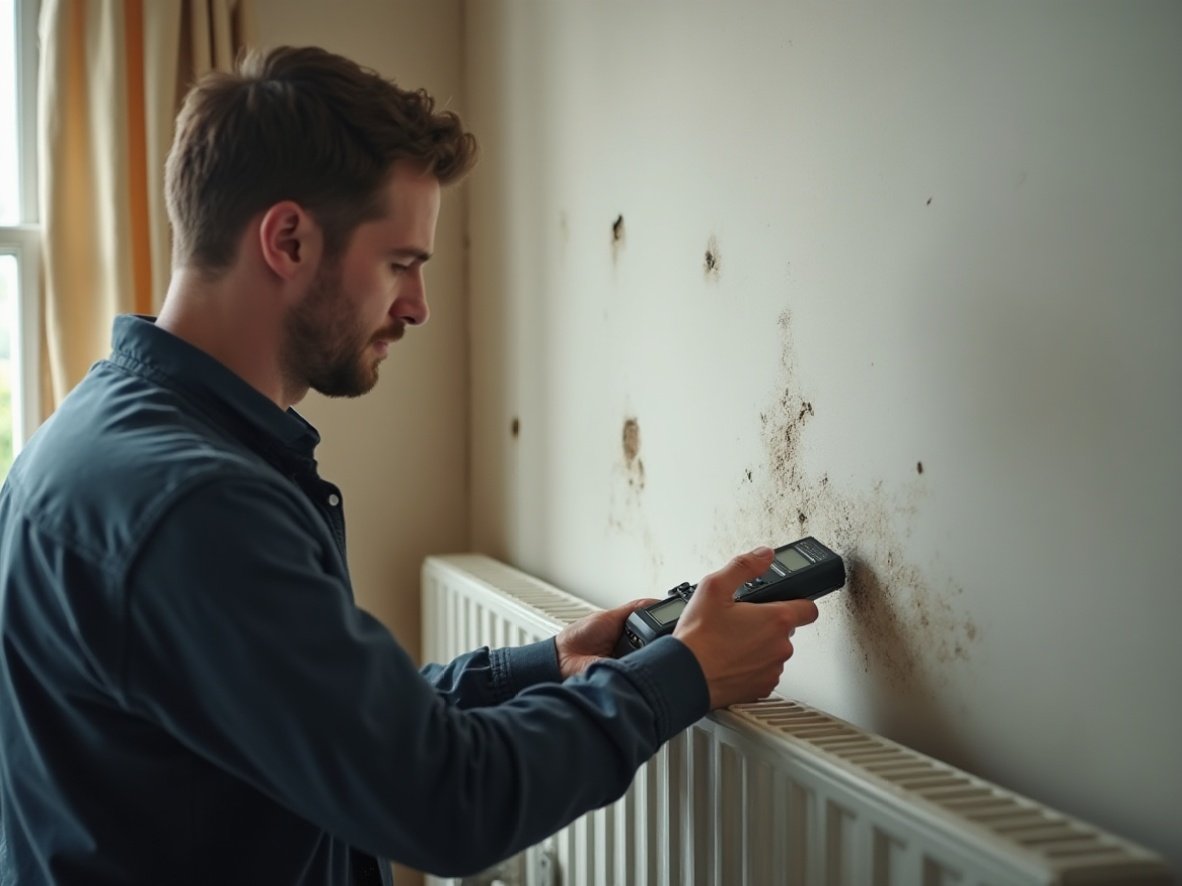
Proper Cause Detection
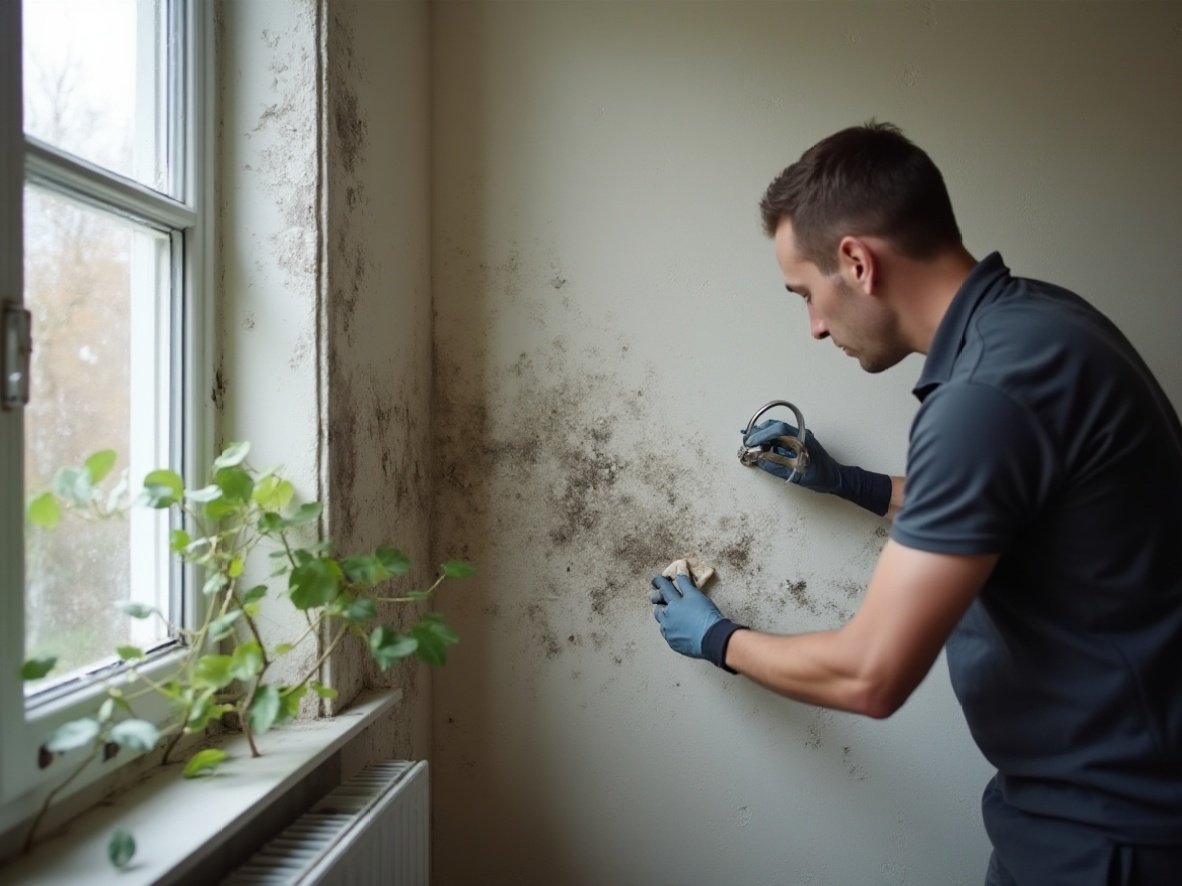
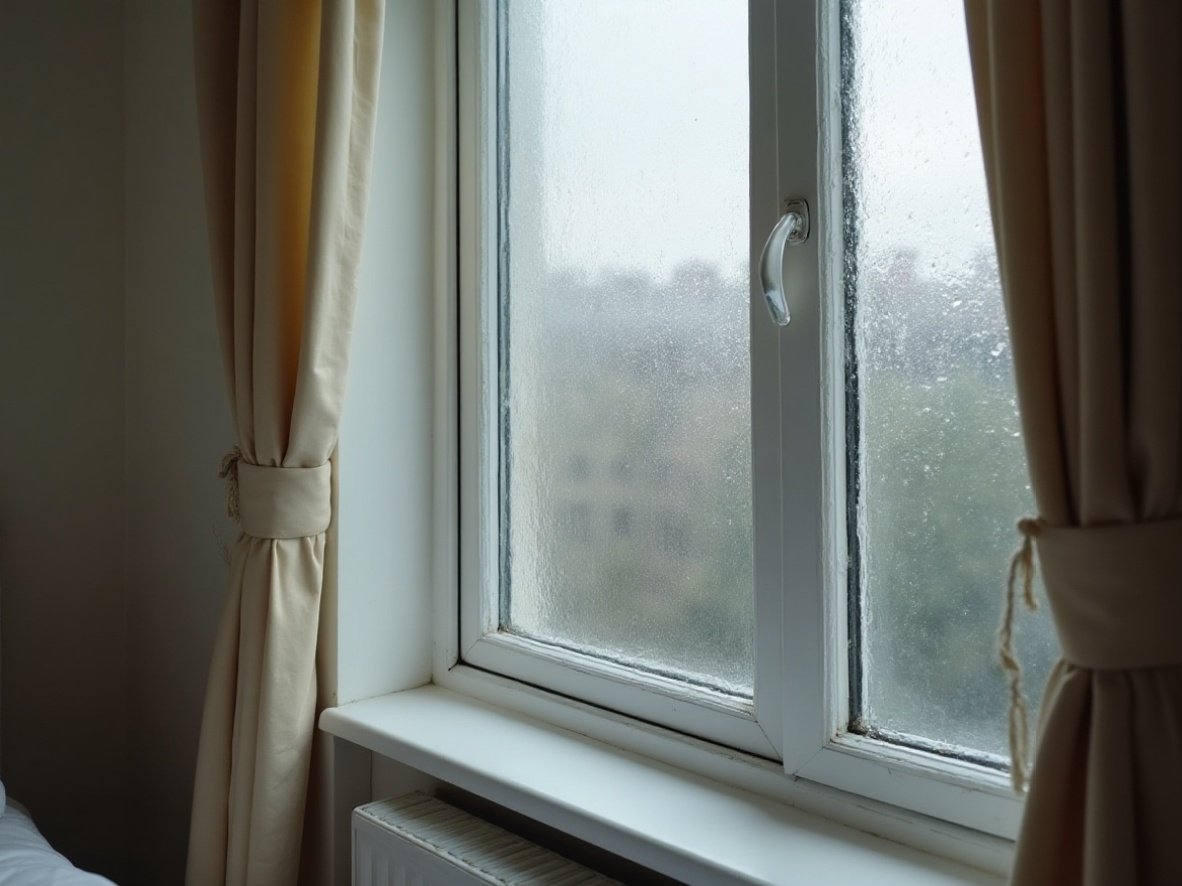
We don’t just remove visible mould. We identify whether it’s condensation, damp, or a hidden leak before treating it.
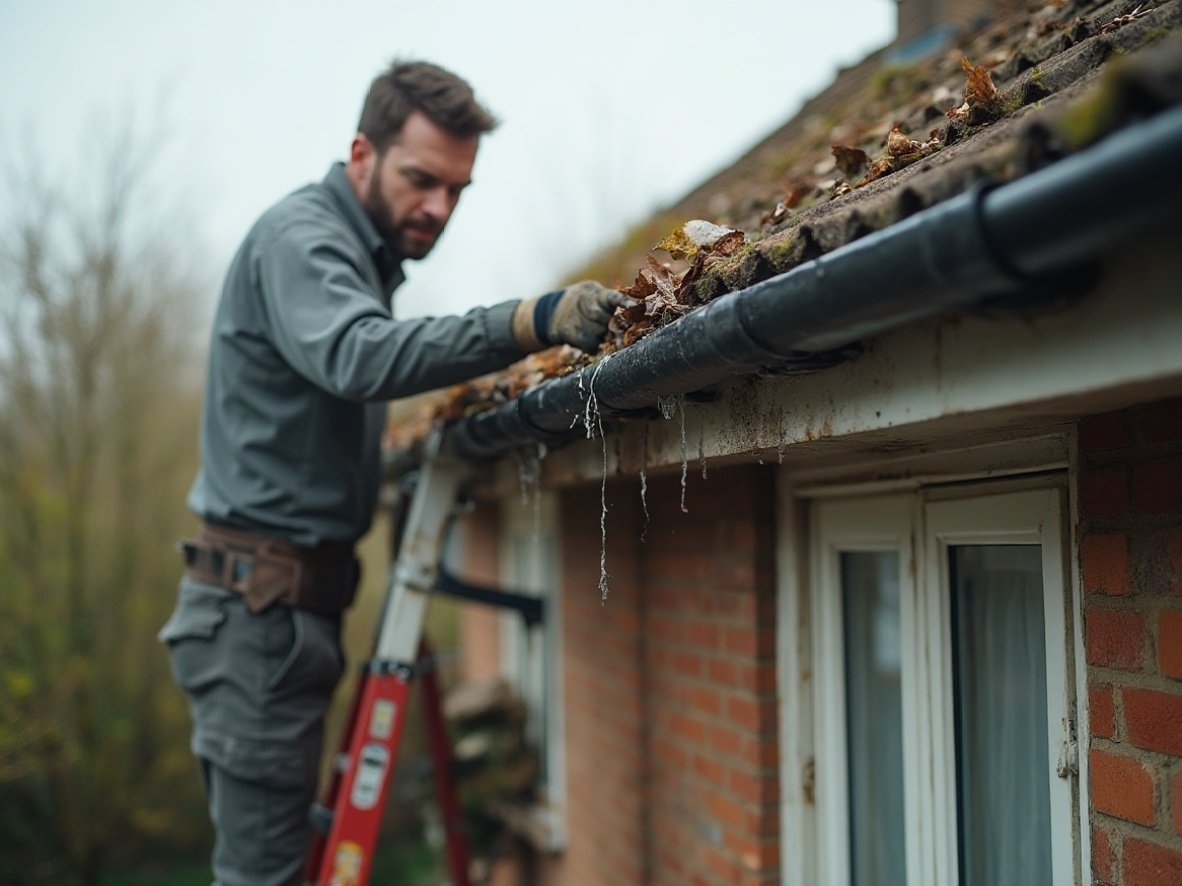
Damp issues in Surbiton are often misidentified, especially when symptoms look similar to condensation or mould. A proper inspection focuses on understanding where the moisture is coming from and how it’s affecting the property. Without that, it’s easy to treat the wrong problem and see it return.
Damp in Surbiton properties can behave differently depending on structure, layout, and ventilation. Getting a clear diagnosis early helps prevent further damage and avoids unnecessary work later on.




Damp can be difficult to diagnose because the signs often overlap with other issues. Staining on walls, peeling paint, or a persistent musty smell might suggest one thing, but the underlying cause can be something else entirely. In many properties in Surbiton, what looks like structural damp turns out to be long-term moisture build-up from condensation or poor ventilation.
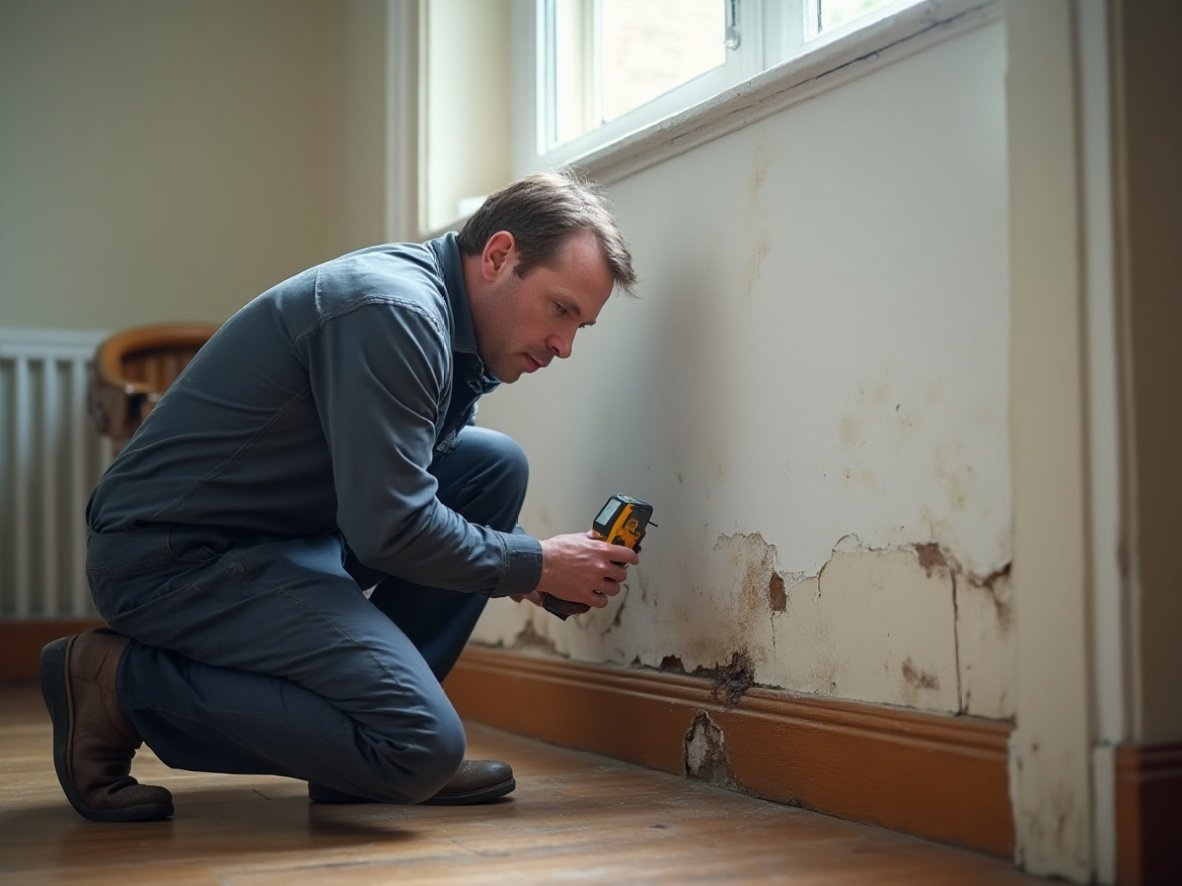
We recently inspected a house in Surbiton where damp patches were visible along the lower part of a living room wall. The initial assumption was rising damp, but the readings showed higher humidity levels inside the room combined with limited airflow. The wall was staying cooler than the rest of the space, which caused repeated condensation to settle and create the same visual effect.
A proper damp inspection looks beyond the surface. We assess how moisture behaves across different areas of the property, checking walls, floors, and ceilings where needed. That includes measuring moisture within materials, identifying cold spots, and understanding how airflow affects drying times.
Different types of damp have different patterns. Penetrating damp often appears in isolated areas linked to external factors like rain or leaks, while condensation-related damp tends to spread across cooler surfaces. Rising damp, although less common, usually follows a consistent line along lower walls. Recognising these patterns is key to avoiding the wrong treatment.
We also consider how the property is used. Everyday activities contribute to indoor moisture, and in some homes in Surbiton, this plays a bigger role than structural factors. Rooms that are rarely ventilated or heated unevenly tend to hold moisture longer, increasing the chance of damp forming.
There are also practical constraints. Furniture, flooring, and access can limit how certain areas are checked, especially in occupied properties. In those cases, we focus on gathering enough information to build an accurate picture without causing unnecessary disruption.
The aim of a damp inspection is to give you clarity. Once the source is properly identified, the next steps become much more straightforward, and the risk of the problem returning is significantly reduced.

Mould kept coming back behind our wardrobe no matter how many times we cleaned it. The technician explained it was condensation getting trapped against the wall. After the treatment and moving the furniture slightly, it hasn’t returned.
Booked them after trying to deal with it myself for months. What I liked is they didn’t just clean it and leave — they explained why it was happening and what to change. Feels properly resolved now.
We had mould on the ceiling near the bathroom and thought it was just poor cleaning. Turned out the extractor fan wasn’t working properly. They sorted the mould and explained what needed fixing.
I was expecting a quick clean, but they pointed out a small leak I hadn’t noticed. That explained why the mould kept coming back. Glad we dealt with it properly instead of just covering it up again.
The mould around our windows was getting worse every winter. The visit was straightforward, no overcomplicating things. They treated the areas and explained how to manage condensation better. Big improvement since.
We had a constant musty smell in the bedroom and didn’t realise it was mould starting in the corner. They didn’t rush the job — first checked the room properly, then treated the area. Also gave practical advice that actually made sense.

Damp rarely appears overnight. In most properties in Surbiton, it develops gradually as moisture builds up faster than it can dry out. This can happen due to small, ongoing factors rather than one obvious fault. A minor leak, reduced ventilation, or consistently cool surfaces can all contribute over time.
We recently inspected a property in Surbiton where damp had formed along an internal wall between two rooms. There was no external exposure, which made it less obvious. The issue turned out to be trapped moisture caused by poor airflow and furniture placed tightly against both sides of the wall. Over time, that restricted air movement prevented the wall from drying properly, leading to visible damp patches.
One of the key factors is how different materials respond to moisture. Plaster, paint, and insulation can all hold small amounts of water without it being immediately visible. As those materials become saturated, they start to show signs like staining or peeling. This is why damp can seem to “appear suddenly” when in reality it has been building up for some time.
Temperature differences also influence how damp develops. In properties where certain walls remain cooler — particularly external walls — condensation can settle repeatedly, even if the room doesn’t feel humid overall. This is often mistaken for penetrating damp, but the pattern is different once properly assessed.
Ventilation plays a major role in how quickly moisture clears. In some homes in Surbiton, airflow is uneven, meaning certain areas dry out while others stay damp. This creates isolated problem zones that continue to worsen if left unchecked.
There are also cases where multiple factors combine. A small structural issue, combined with everyday humidity levels, can create conditions where damp becomes persistent. Treating just one part of the problem often leads to it returning.
At Mould Inspection London, the focus is on understanding that full picture. Once you know how moisture is behaving inside the property, it becomes much easier to address the cause rather than repeatedly dealing with the symptoms.
Recurring Mould Solved
We regularly deal with mould that keeps coming back — identifying the real cause before treating it properly.
Cause, Not Just Cleaning
We don’t just remove surface mould. We check moisture levels, airflow, and hidden issues behind the problem.
Built for London Homes
From compact flats to older properties, we understand how mould develops in real London living conditions.
Clear, Practical Advice
You’ll know exactly what caused the issue and what needs to change to stop it returning.
Postcode coverage: KT6
Other locations we cover nearby: Surbiton