Proper Cause Detection
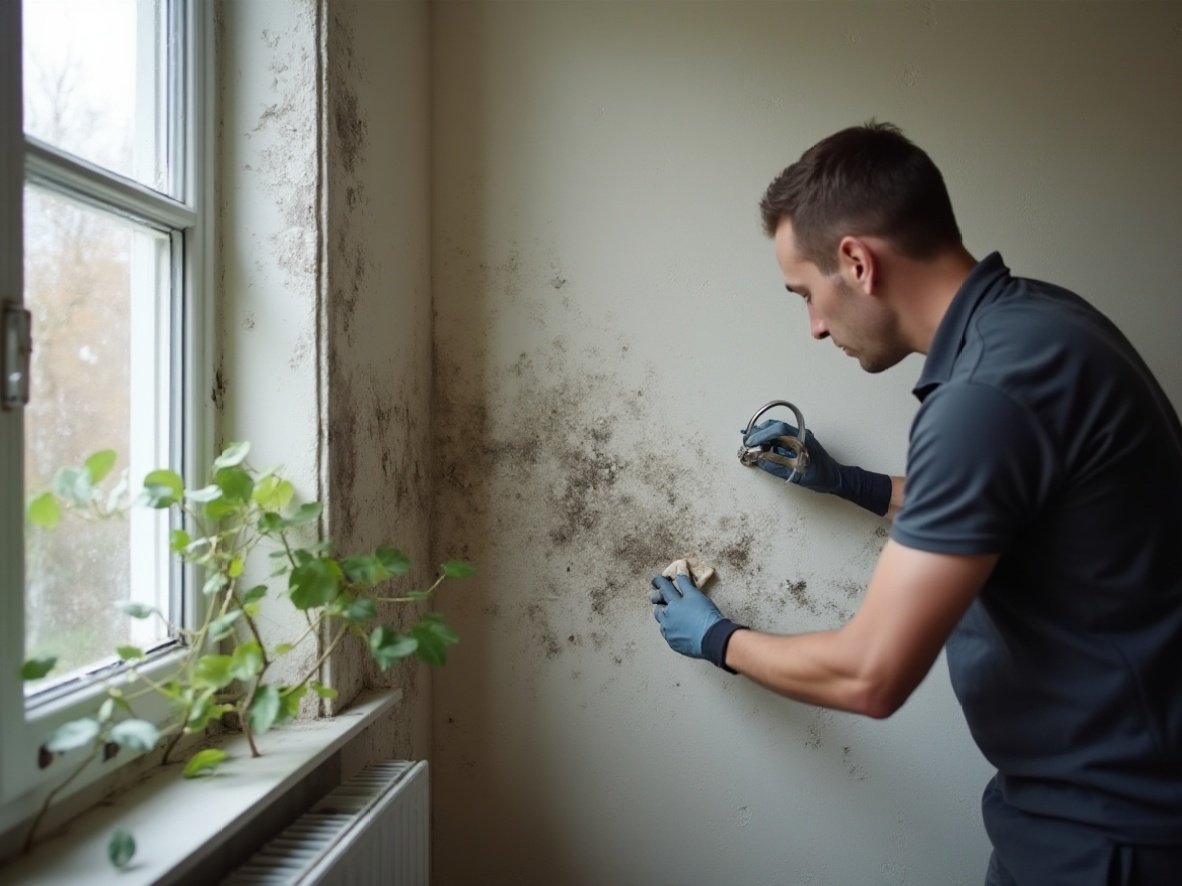
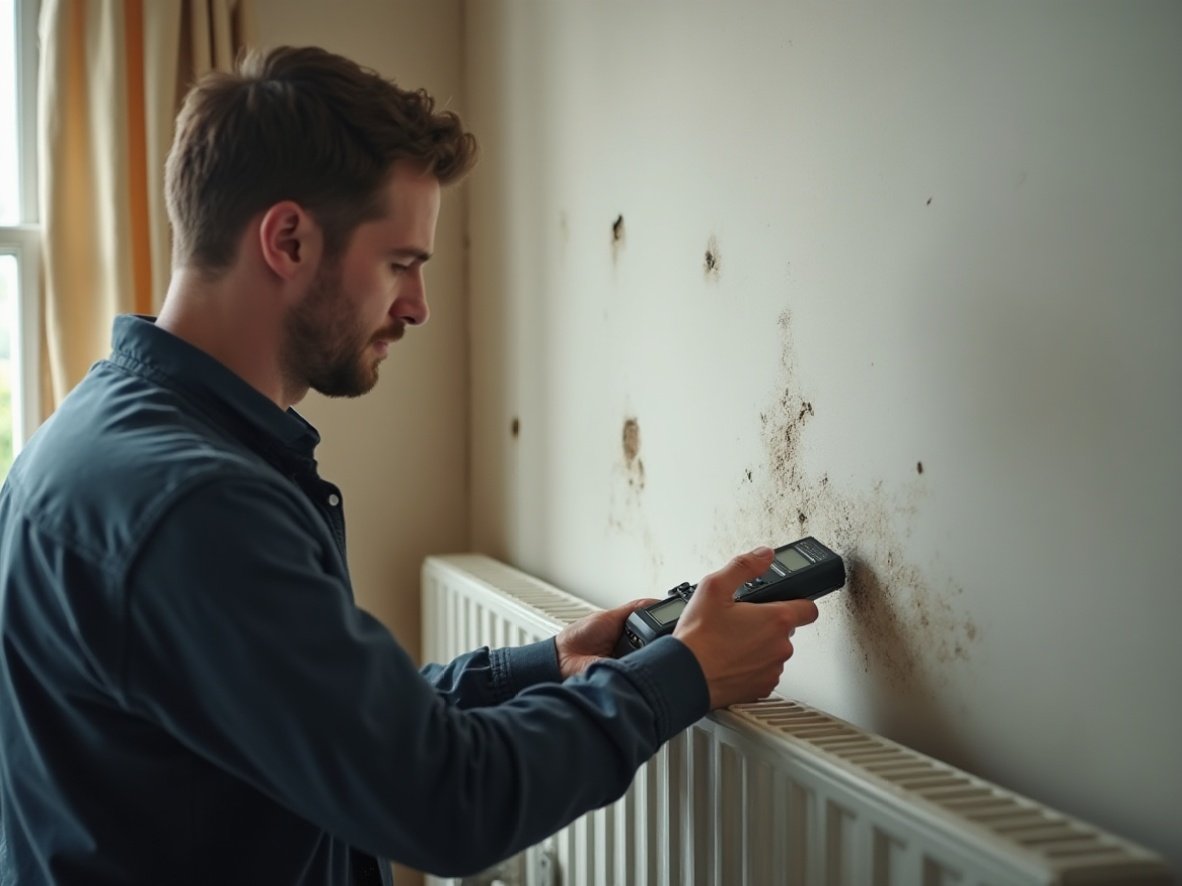
We don’t just remove visible mould. We identify whether it’s condensation, damp, or a hidden leak before treating it.




Condensation in Barnet often builds up gradually rather than appearing all at once. It usually starts with everyday moisture — cooking, showers, drying clothes — and becomes a problem when that humid air has nowhere to go. In many homes, especially flats or well-sealed properties, airflow is limited, so moisture lingers longer than expected.
We recently checked a property in Barnet where the tenant noticed water forming on the bedroom window every morning. At first, it seemed minor, but over time it led to damp patches along the frame and early signs of mould. The issue wasn’t a leak — it was consistent overnight condensation combined with closed windows and restricted airflow.
Temperature plays a big role. When warm air meets a colder surface, it releases moisture in the form of condensation. In properties with external walls or uneven insulation, those surfaces stay cooler for longer, making them more likely to attract moisture build-up. This is why condensation often appears in corners, around windows, or along ceiling edges.
Ventilation is another key factor. Extractor fans, vents, and window use all affect how quickly moisture clears. In some homes, these systems exist but aren’t used consistently, while in others they’re simply not strong enough. When airflow is limited, moisture spreads into other rooms and settles where conditions allow.
We also see condensation worsen due to layout. Furniture placed against walls can block air movement, creating small pockets where damp air stays longer. Over time, these areas become more prone to mould.
The main point is that condensation isn’t caused by one issue alone. It’s a balance between moisture levels, surface temperature, and ventilation. Once those factors are understood, it becomes much easier to control the problem and stop it developing into something more serious.

Mould kept coming back behind our wardrobe no matter how many times we cleaned it. The technician explained it was condensation getting trapped against the wall. After the treatment and moving the furniture slightly, it hasn’t returned.
Booked them after trying to deal with it myself for months. What I liked is they didn’t just clean it and leave — they explained why it was happening and what to change. Feels properly resolved now.
We had mould on the ceiling near the bathroom and thought it was just poor cleaning. Turned out the extractor fan wasn’t working properly. They sorted the mould and explained what needed fixing.
I was expecting a quick clean, but they pointed out a small leak I hadn’t noticed. That explained why the mould kept coming back. Glad we dealt with it properly instead of just covering it up again.
The mould around our windows was getting worse every winter. The visit was straightforward, no overcomplicating things. They treated the areas and explained how to manage condensation better. Big improvement since.
We had a constant musty smell in the bedroom and didn’t realise it was mould starting in the corner. They didn’t rush the job — first checked the room properly, then treated the area. Also gave practical advice that actually made sense.

Once condensation starts appearing regularly, the focus needs to shift from reacting to it, to managing the conditions that create it. In many homes in Barnet, wiping windows or drying surfaces becomes a routine, but that only deals with the result, not the cause. What matters is how long moisture stays in the air after it’s produced.
We recently looked at a flat in Barnet where condensation was forming not just on windows, but along the top corners of the bedroom walls. The tenant assumed it was a structural issue, but the real cause was consistent humidity levels combined with limited ventilation overnight. The room stayed closed, and warm air from the evening slowly cooled against external walls, leading to repeated surface condensation.
One of the key things to understand is how quickly humid air spreads. Steam from a shower or cooking doesn’t stay contained; it moves through the property and settles in cooler areas. That’s why condensation often shows up in rooms that aren’t directly exposed to moisture sources. Managing airflow between rooms is just as important as dealing with the source itself.
Consistency is also important. Opening windows briefly can help, but if the property remains closed for most of the day, moisture build-up will still occur. A steady level of airflow, even if it’s minimal, is more effective than short bursts of ventilation.
Heating plays a role as well. When rooms are heated unevenly, surfaces cool down faster, especially external walls and corners. That difference in temperature encourages condensation to form. Keeping a more stable indoor temperature reduces how often moisture settles.
There are also limits to what simple changes can achieve. In some properties in Barnet, structural factors like insulation gaps or poor ventilation design mean certain areas will always be more prone to condensation. In those cases, managing the environment helps, but further improvements may be needed for long-term control.
At Mould Inspection London, the focus is on helping you understand how your property behaves day to day. Once that’s clear, the steps to reduce condensation become more practical and much easier to maintain over time.
Recurring Mould Solved
We regularly deal with mould that keeps coming back — identifying the real cause before treating it properly.
Cause, Not Just Cleaning
We don’t just remove surface mould. We check moisture levels, airflow, and hidden issues behind the problem.
Built for London Homes
From compact flats to older properties, we understand how mould develops in real London living conditions.
Clear, Practical Advice
You’ll know exactly what caused the issue and what needs to change to stop it returning.
Other locations we cover nearby: Barnet