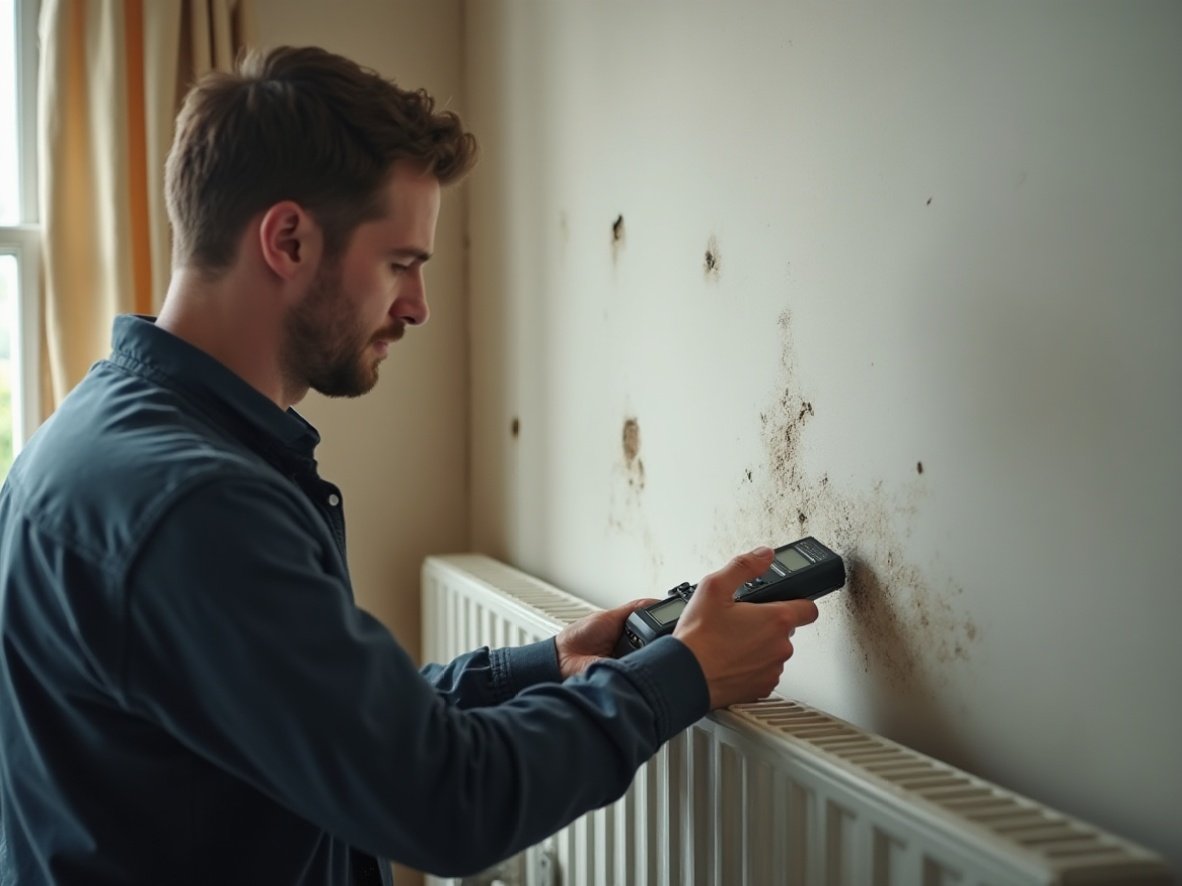
Proper Cause Detection
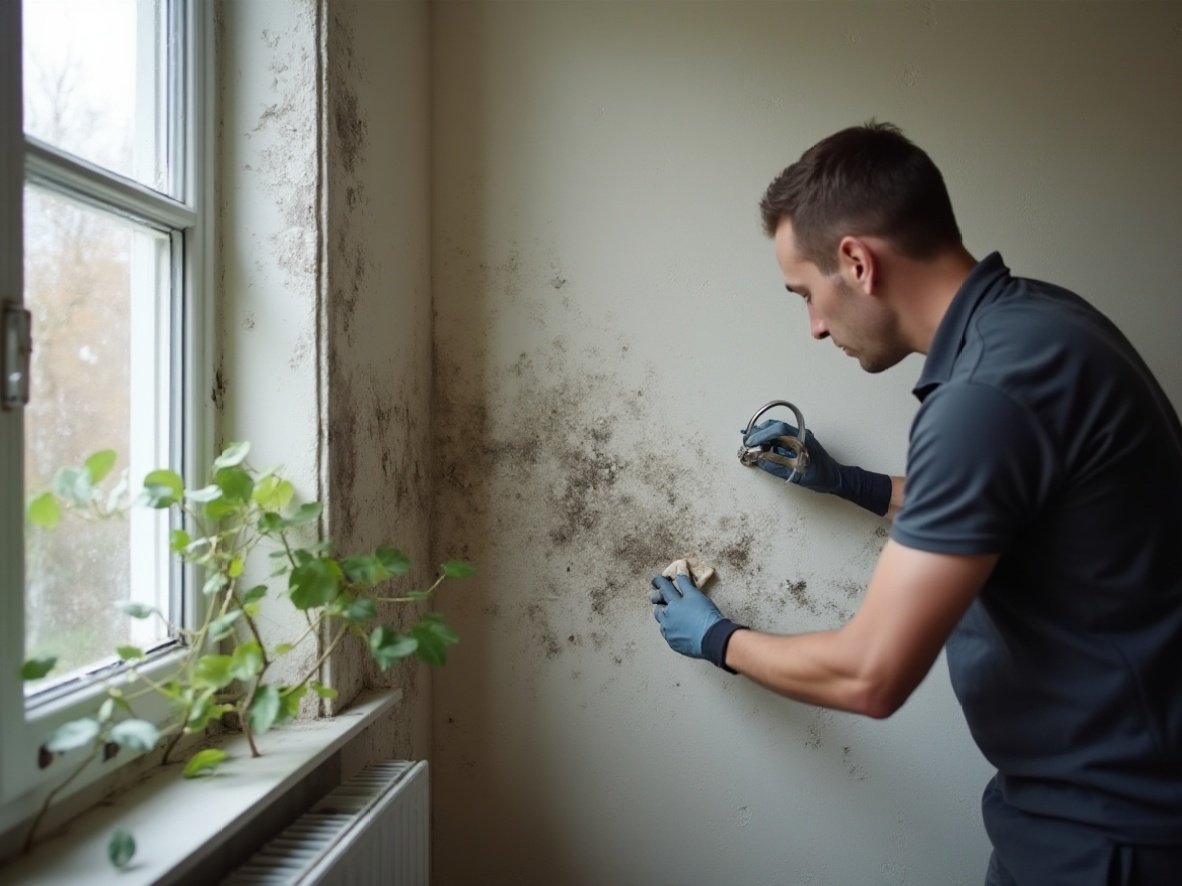
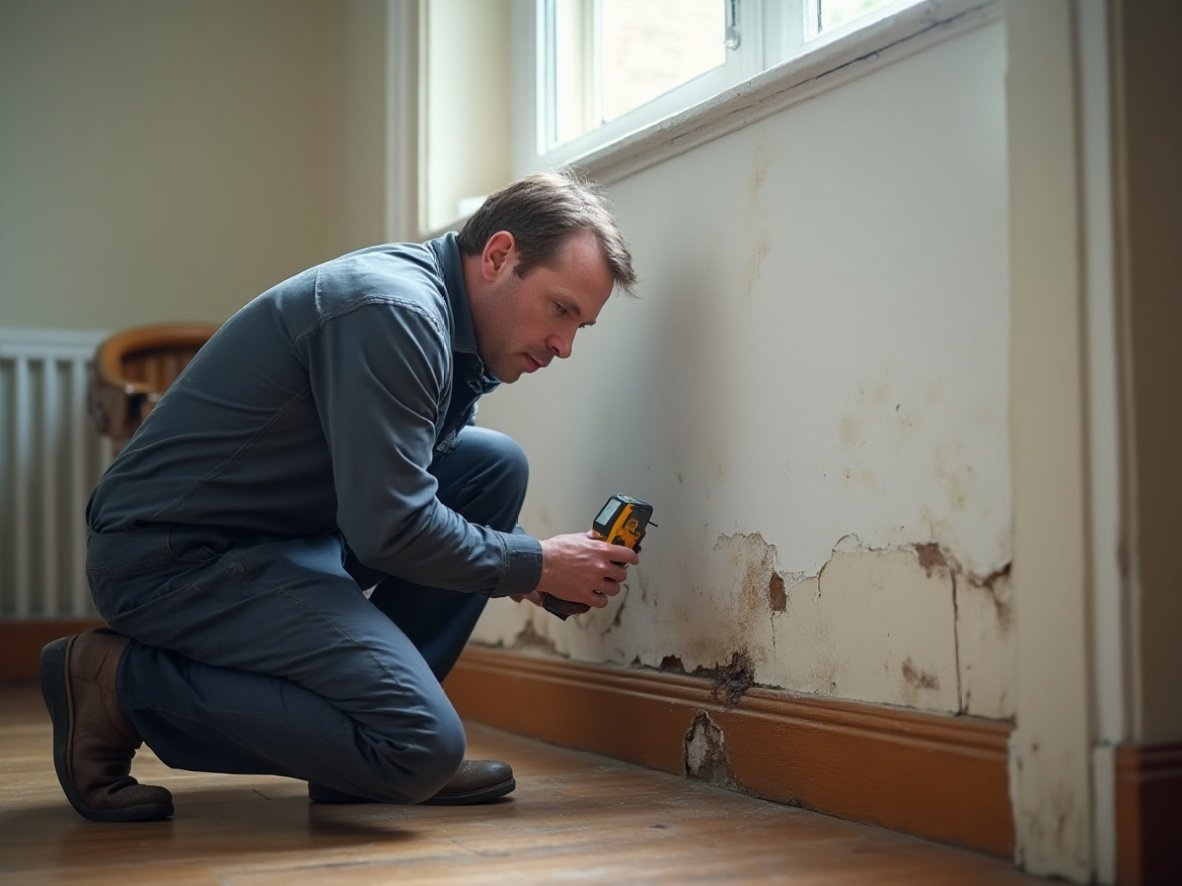
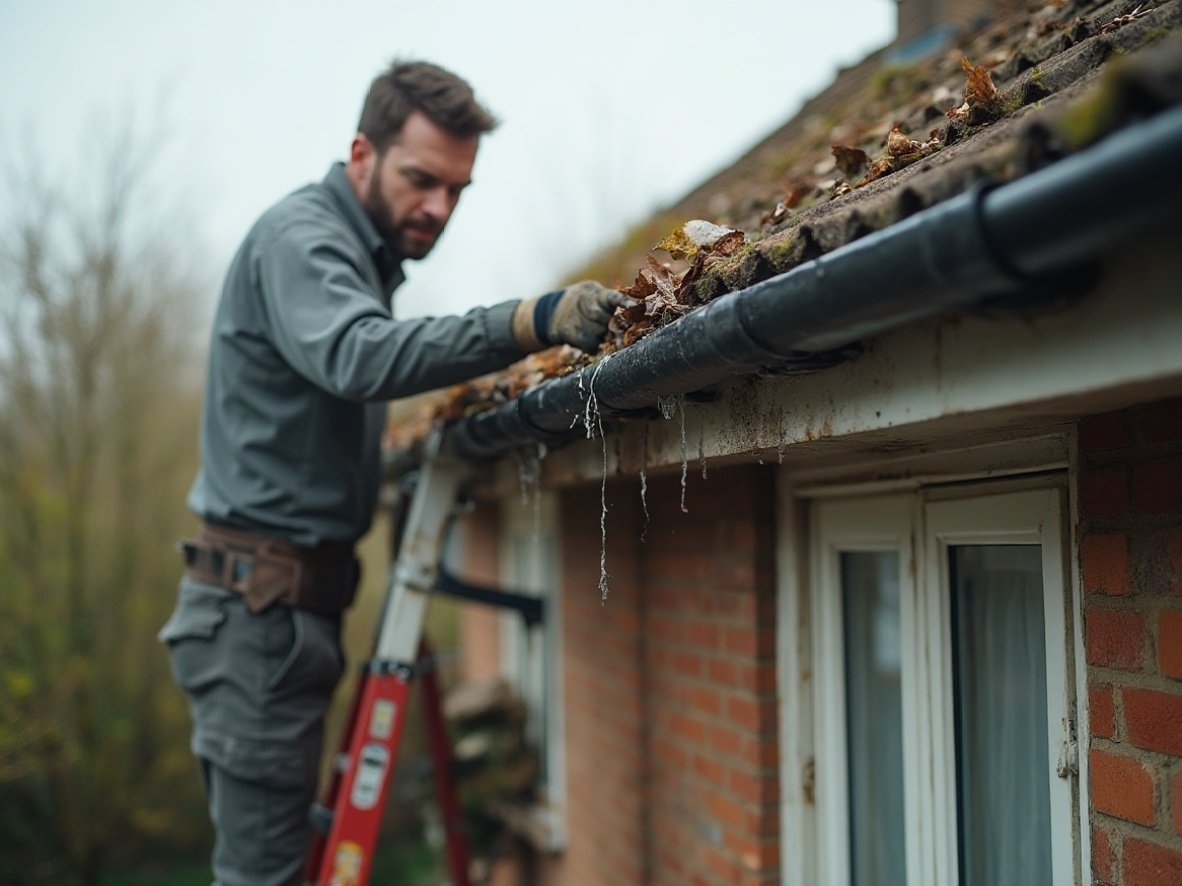
We don’t just remove visible mould. We identify whether it’s condensation, damp, or a hidden leak before treating it.
Before testing anything, the first step is reading the room.
That includes:
These details often explain more than the visible mould itself.



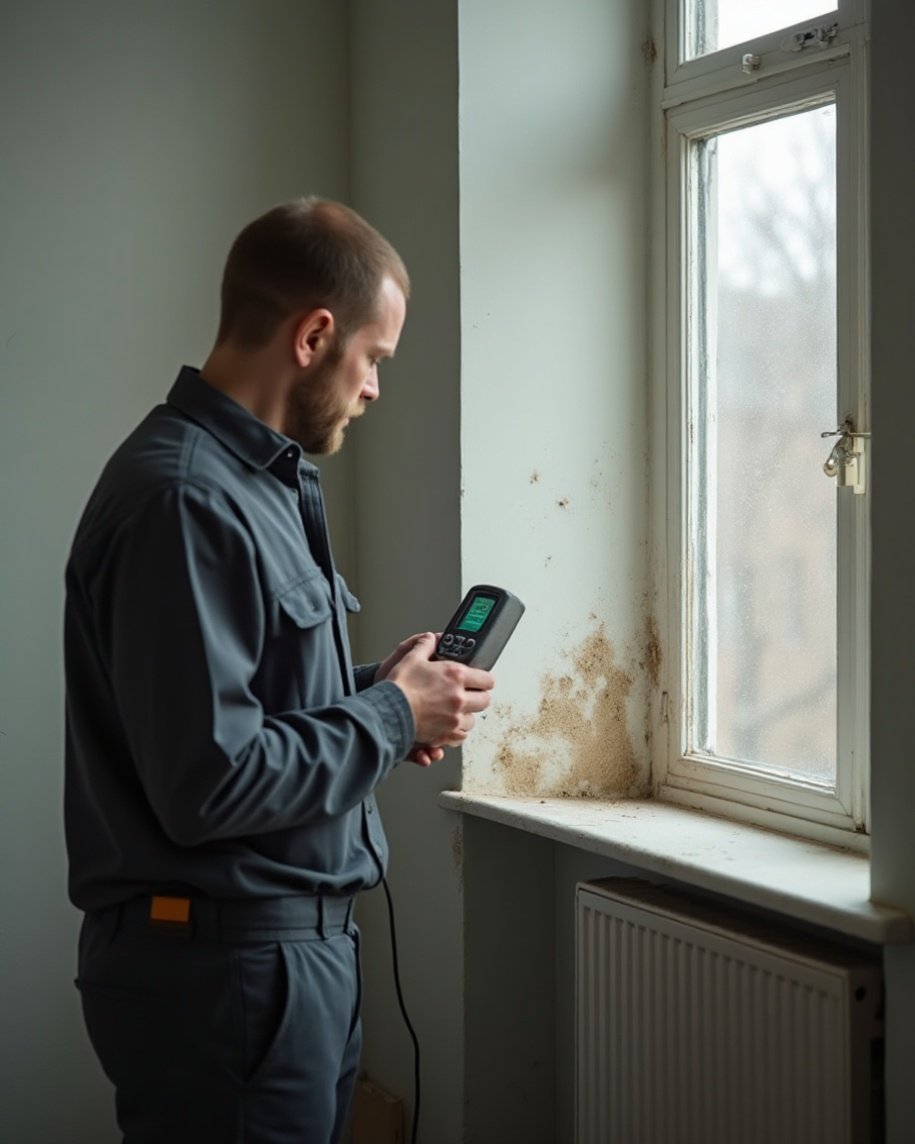
In many London properties, the first visible signs of mould don’t tell the full story. A small patch on a wall or around a window might seem like a surface issue, but it often reflects how moisture behaves across the room rather than a single isolated problem. That’s why focusing only on the visible area can lead to repeated cleaning without long-term results.
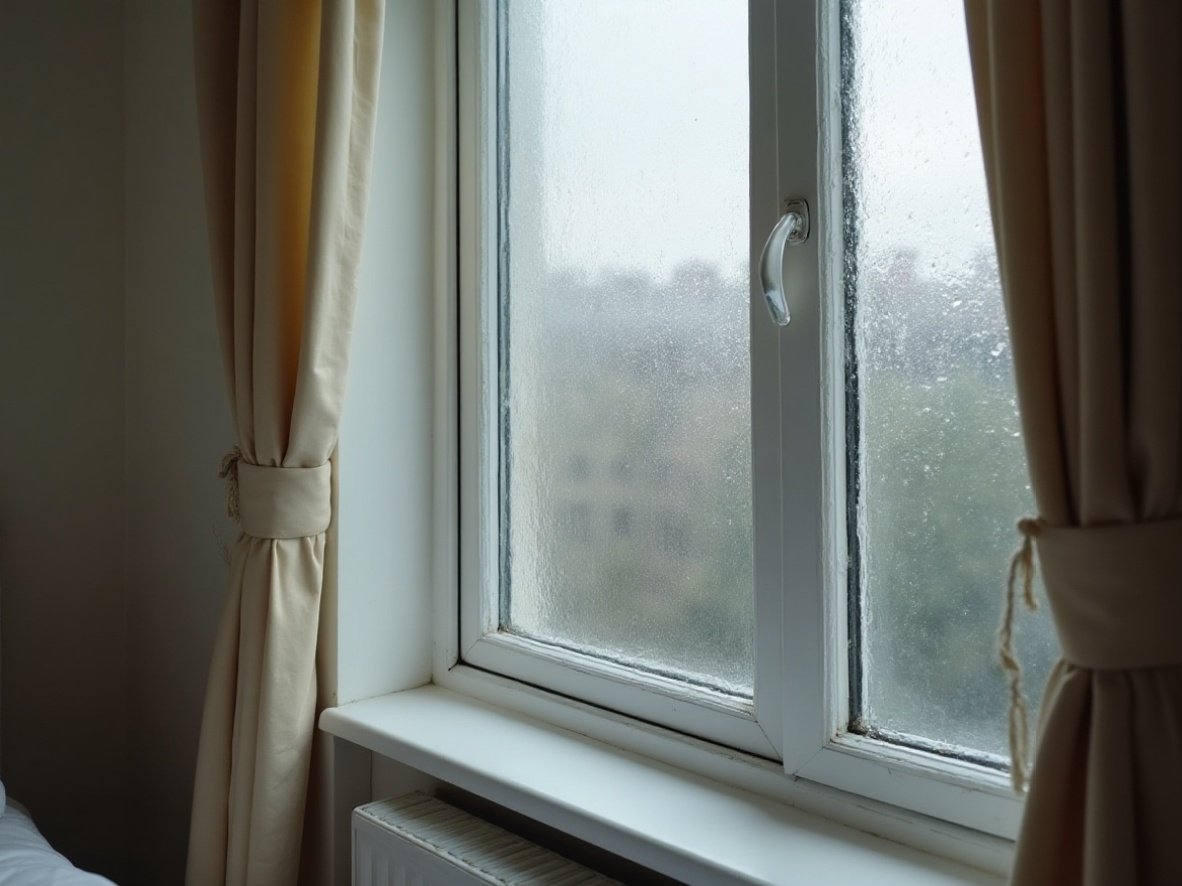
At Mould Inspection London, we regularly come across situations where the mould appears in one spot, but the conditions causing it are present elsewhere. For example, in a recent inspection in Kensington, a patch near the corner of a bedroom wall was linked to condensation forming nightly along the window edge. The moisture wasn’t staying in one place — it was spreading slightly before settling where airflow was weakest.
This kind of movement is common. Warm air carrying moisture doesn’t stay static. It shifts depending on temperature differences, airflow, and how the room is used. Cooler surfaces tend to attract that moisture first, which is why mould often shows up in corners, behind furniture, or along external walls.
Another factor that can make early signs misleading is timing. Mould doesn’t always appear immediately after moisture builds up. In some cases, conditions need to repeat over days or weeks before anything becomes visible. By the time it does, it’s easy to assume the issue is new, when it has actually been developing gradually.
We also see properties where multiple small factors combine. Slightly reduced airflow, uneven heating, and daily moisture from normal activities can work together without being obvious on their own. This is particularly common in flats, where space is more compact and ventilation options are limited.
Because of this, inspection is less about reacting to what’s visible and more about understanding the environment as a whole. By looking at how moisture moves, where it settles, and how conditions change throughout the day, it becomes much easier to identify the real cause and avoid repeating the same issue.

Mould kept coming back behind our wardrobe no matter how many times we cleaned it. The technician explained it was condensation getting trapped against the wall. After the treatment and moving the furniture slightly, it hasn’t returned.
Booked them after trying to deal with it myself for months. What I liked is they didn’t just clean it and leave — they explained why it was happening and what to change. Feels properly resolved now.
We had mould on the ceiling near the bathroom and thought it was just poor cleaning. Turned out the extractor fan wasn’t working properly. They sorted the mould and explained what needed fixing.
I was expecting a quick clean, but they pointed out a small leak I hadn’t noticed. That explained why the mould kept coming back. Glad we dealt with it properly instead of just covering it up again.
The mould around our windows was getting worse every winter. The visit was straightforward, no overcomplicating things. They treated the areas and explained how to manage condensation better. Big improvement since.
We had a constant musty smell in the bedroom and didn’t realise it was mould starting in the corner. They didn’t rush the job — first checked the room properly, then treated the area. Also gave practical advice that actually made sense.
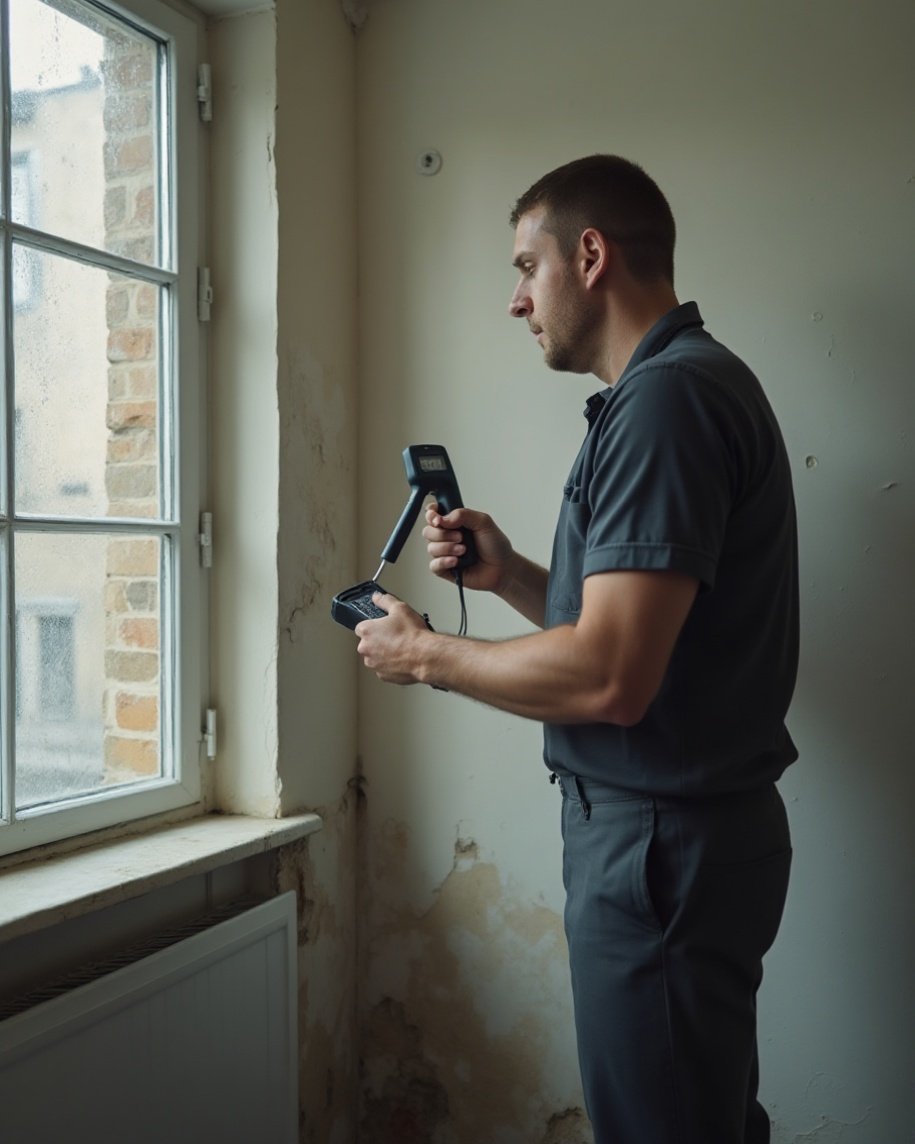
Once the source behind mould is clear, the whole approach to the problem shifts. Instead of treating the same area repeatedly, the focus moves to stopping the conditions that allow it to form in the first place. This is where many properties see a real difference.
In practice, the solution is often more specific than people expect. It might involve improving airflow in one part of the room rather than the whole space, adjusting how heat is distributed, or creating a small gap behind furniture so air can circulate. In other cases, it could mean addressing a cold section of wall that consistently attracts moisture.
We recently inspected a flat in Stratford where mould kept appearing along one side of the bedroom. The initial assumption was poor ventilation, but the inspection showed that the issue was linked to a colder external wall combined with how the room was being used. Once that was understood, the changes needed were straightforward, and the problem stopped repeating.
Another important point is how conditions change throughout the year. A room that feels fine in summer can behave very differently in winter. As temperatures drop, surfaces become colder, and moisture settles more easily. This is why some mould issues seem seasonal, even though the underlying cause is present all year.
It’s also common to see small improvements after cleaning, followed by the problem returning. That doesn’t mean the treatment failed — it usually means the environment hasn’t changed enough to prevent moisture from building up again. Without addressing that, the same cycle continues.
Understanding the cause also helps avoid unnecessary work. In some cases, the solution is simpler than expected once the pattern is clear. In others, it highlights that the issue is part of a wider moisture problem that needs a different approach.
✔ Clear understanding of why mould is forming in that specific area
✔ Targeted changes instead of repeated surface cleaning
✔ Practical steps that reflect how the property is actually used
Recurring Mould Solved
We regularly deal with mould that keeps coming back — identifying the real cause before treating it properly.
Cause, Not Just Cleaning
We don’t just remove surface mould. We check moisture levels, airflow, and hidden issues behind the problem.
Built for London Homes
From compact flats to older properties, we understand how mould develops in real London living conditions.
Clear, Practical Advice
You’ll know exactly what caused the issue and what needs to change to stop it returning.